Master of Urban Design Studios, MSD UniMelb (2020–2024)
A tribute to four years of co-teaching at the Melbourne School of Design, running through my PhD years, with three people I learned a great deal from. This experience shaped how I think about teaching urban design, and it deserves a space here.
Co-taught w/ Justyna Karakiewicz, Leire Asensio Villoria, David Mah
Credits: All materials credited to students who crossed our paths at MSD Master of Urban Design Studios between 2020–2024
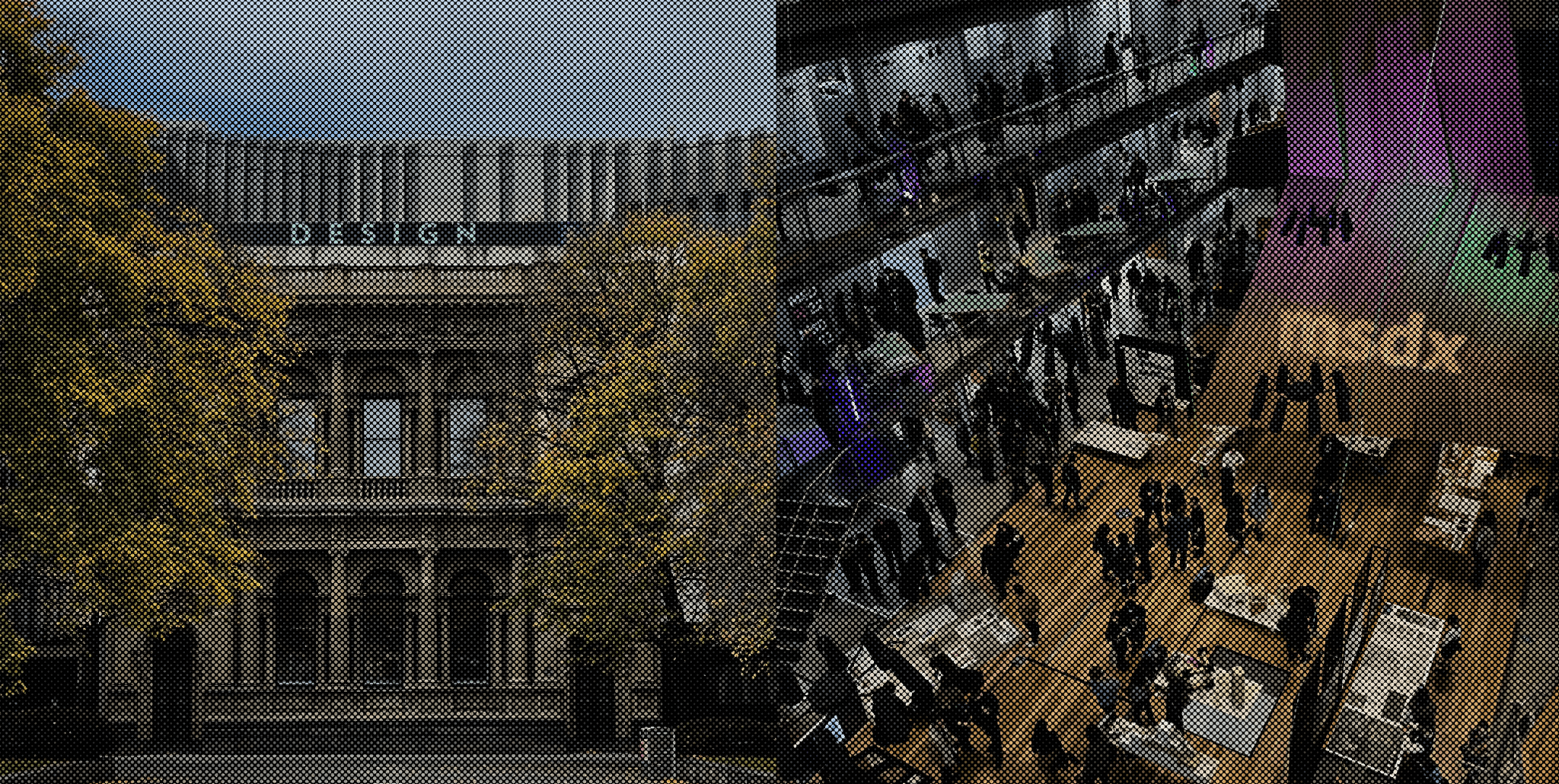
The Melbourne School of Design is one of the best places in the world to do a Master of Urban Design. I say this not to flatter an institution I spent four years in, but because I watched it up close. The student cohort is genuinely international, the faculty culture takes teaching as seriously as research, and the ambition in the studios is real. Between 2020 and 2024, I co-taught the MUD studio sequence alongside Justyna Karakiewicz, Leire Asensio Villoria, and David Mah. This page is a tribute to those four years, to the students who made the work, and to three colleagues from whom I learned more than I can ever imagine.
Building Analytical Foundations
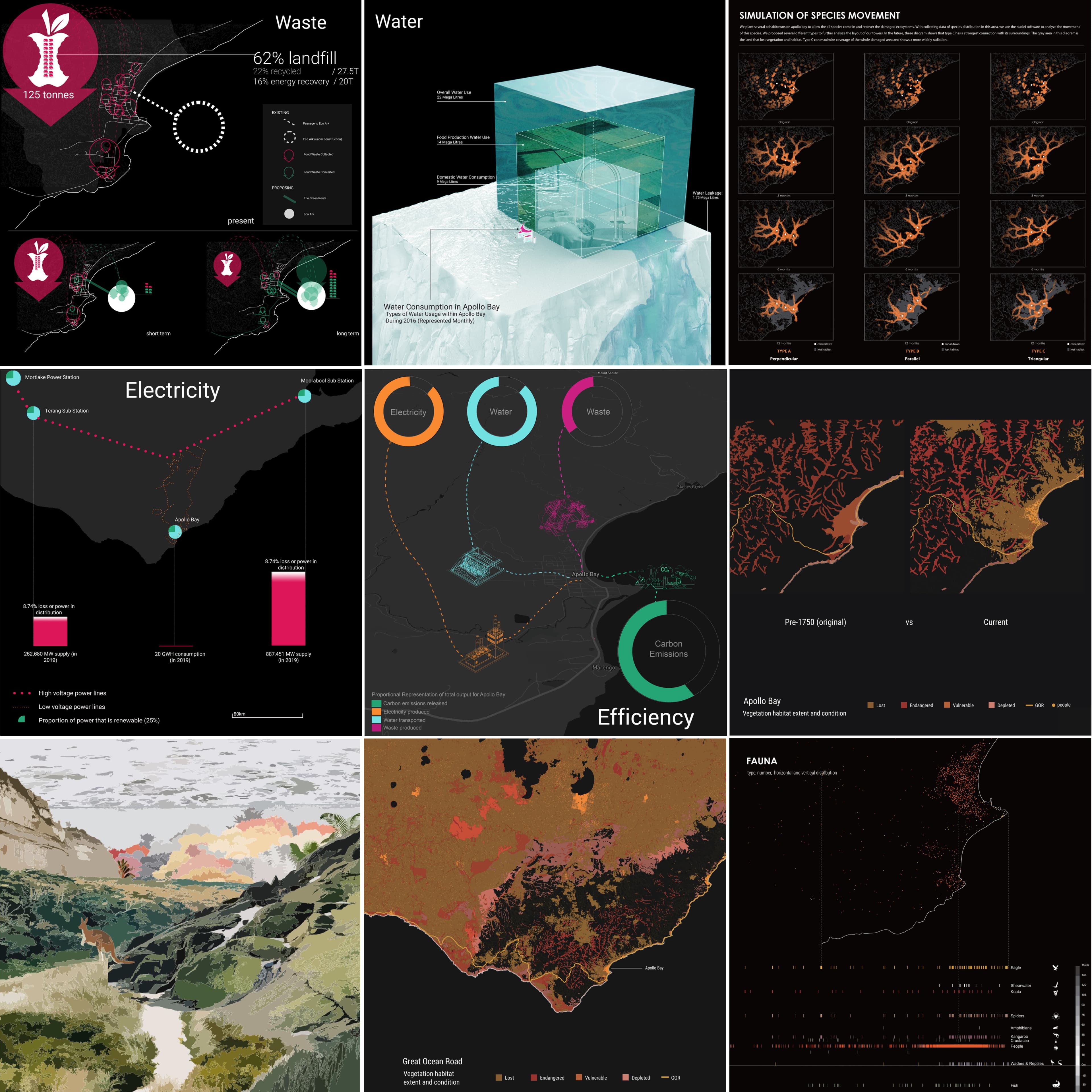
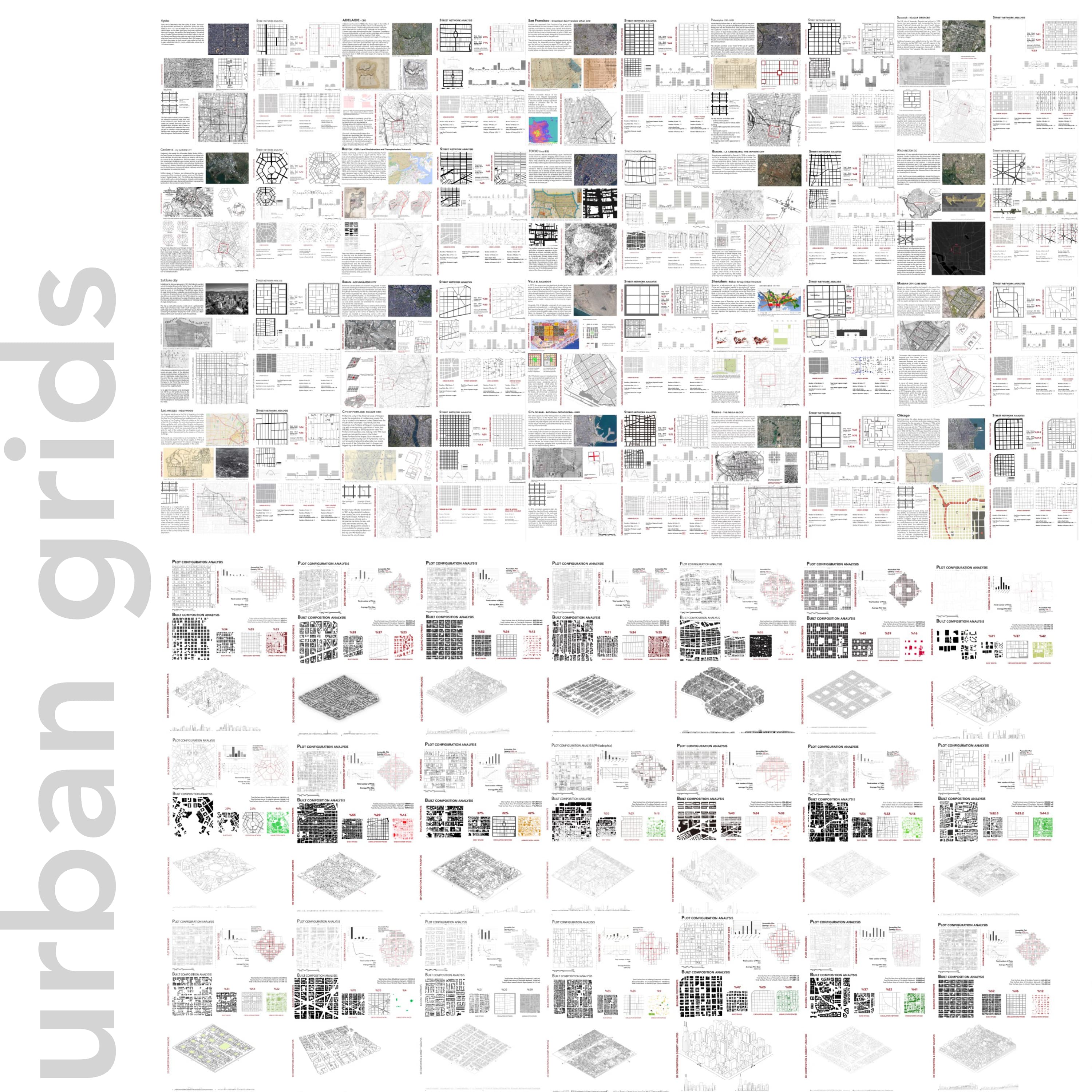
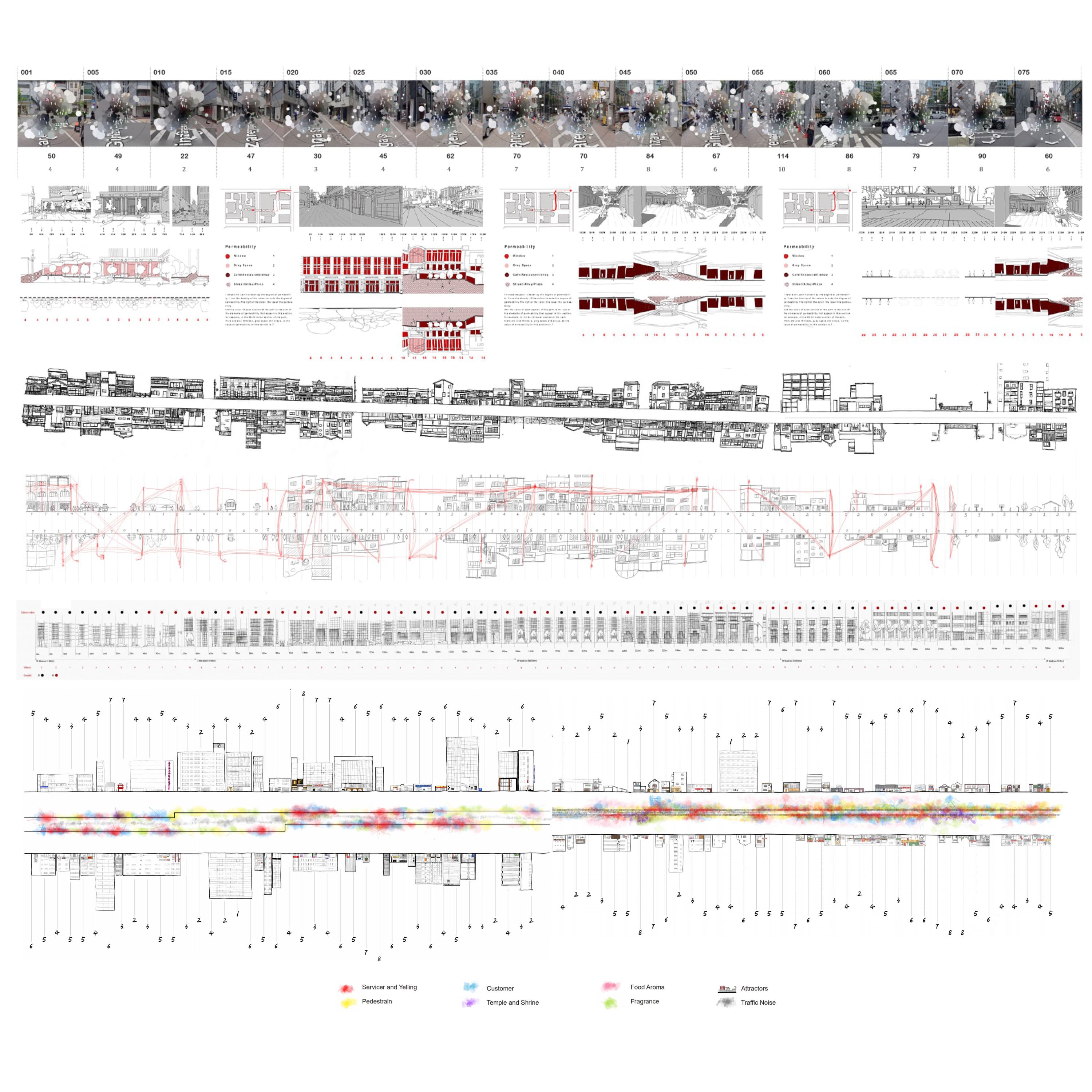
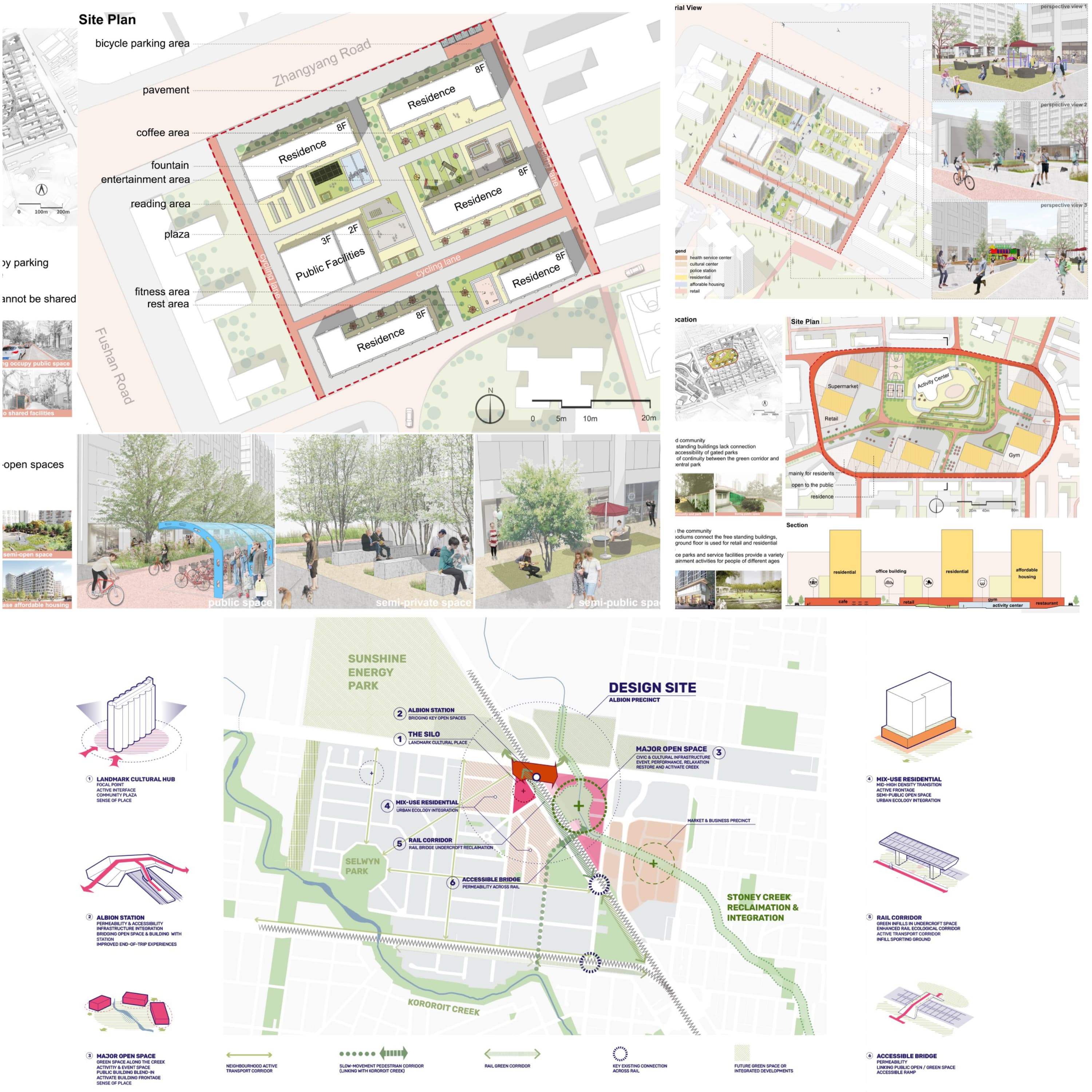
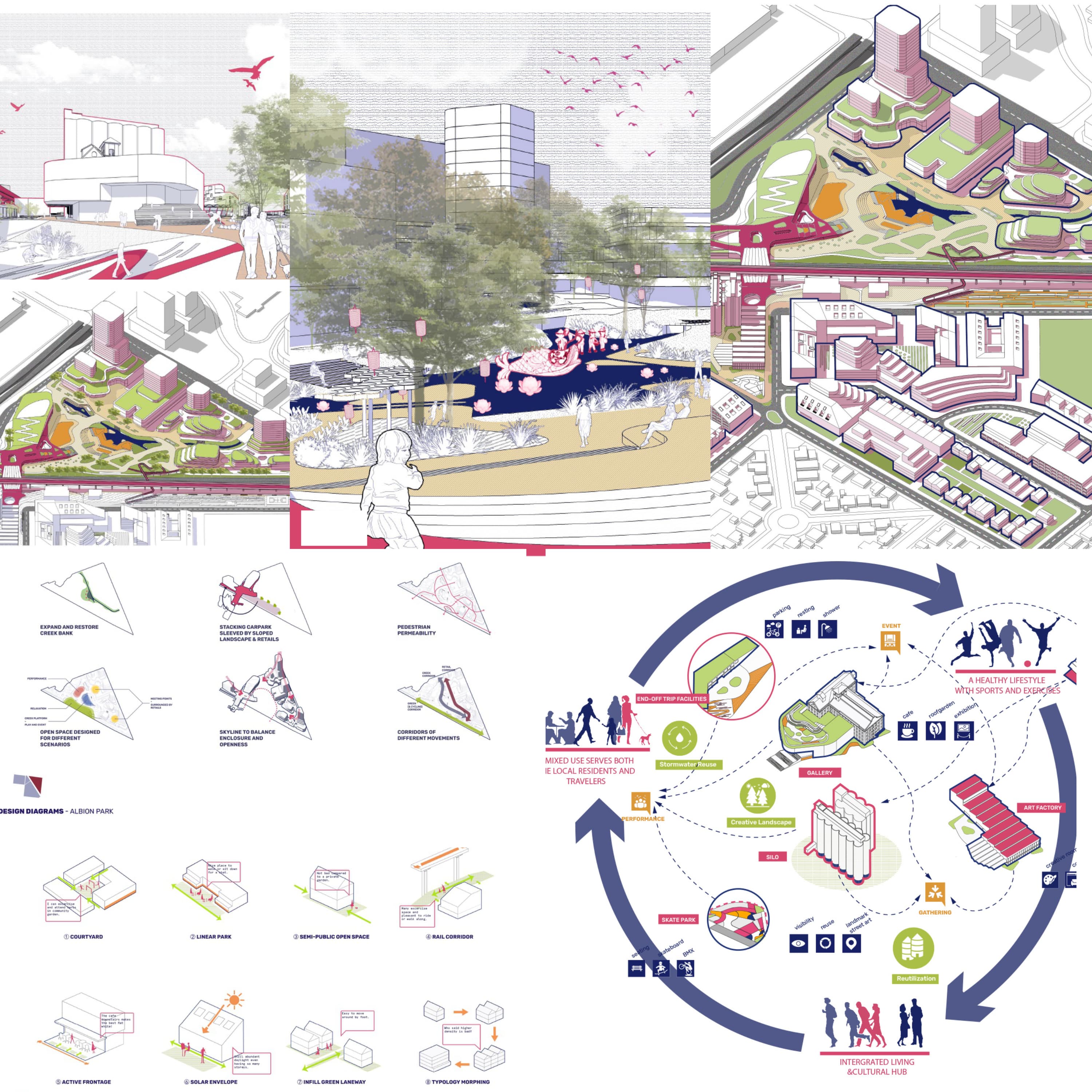
One of the things MSD does well is insisting that design has to be earned. Students arrived from architecture, planning, and landscape architecture, each with different habits of thought, and the studio sequence was partly about building a shared analytical vocabulary before asking anyone to project. But the point was never analysis for its own sake, and it was never the familiar sequence of analysis followed by design. The analytical methods mattered because they trained something else entirely: the capacity to generate variations. To understand a block dimension or a solar envelope not as a fact to document but as a parameter to vary, to ask what happens if you shift it, and to hold multiple versions in mind simultaneously. That cognitive habit, building a foundation rich enough to generate alternatives rather than converge on a single answer, is what the work was really after. It's an insistence I've carried with me ever since.
Building Imaginative Capacity
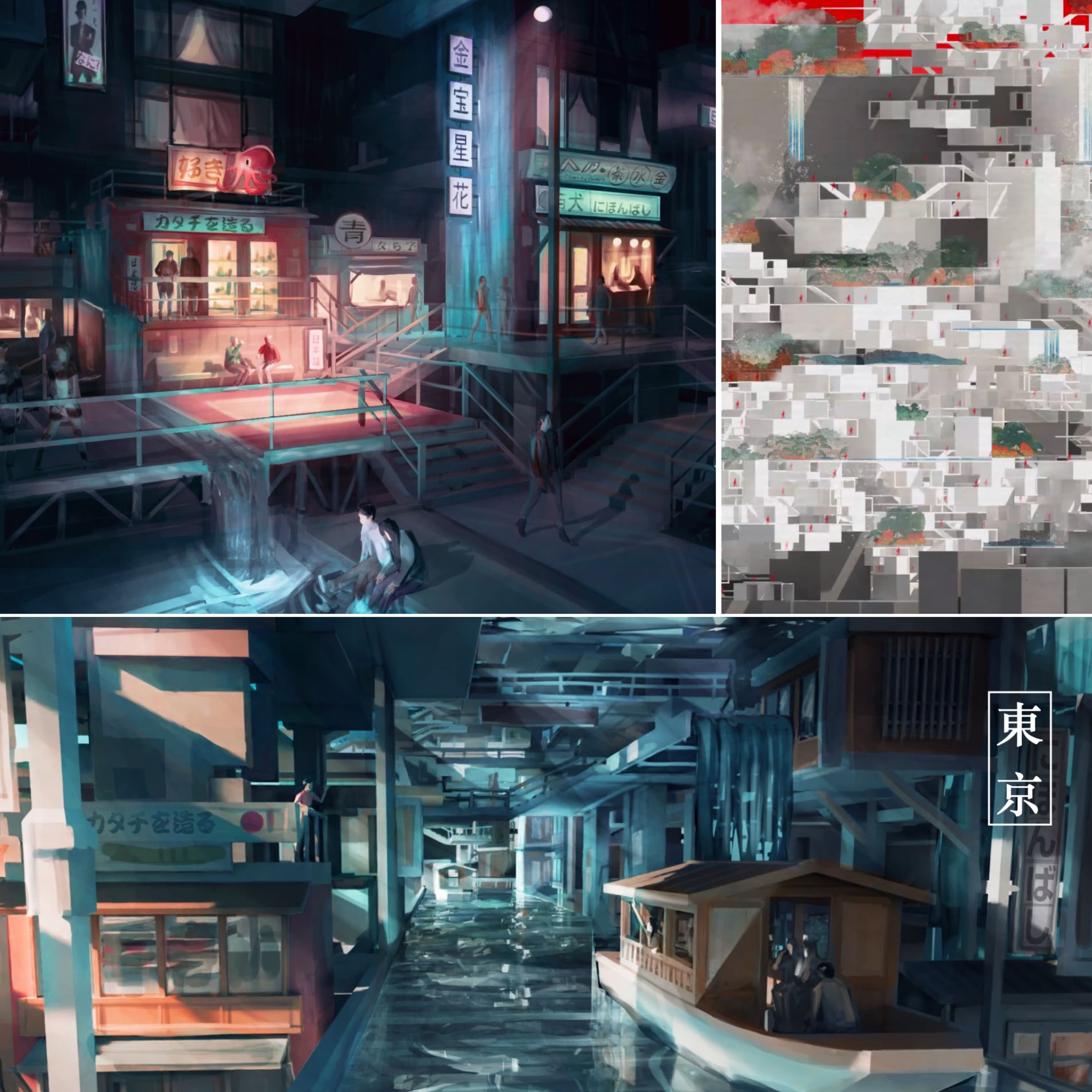
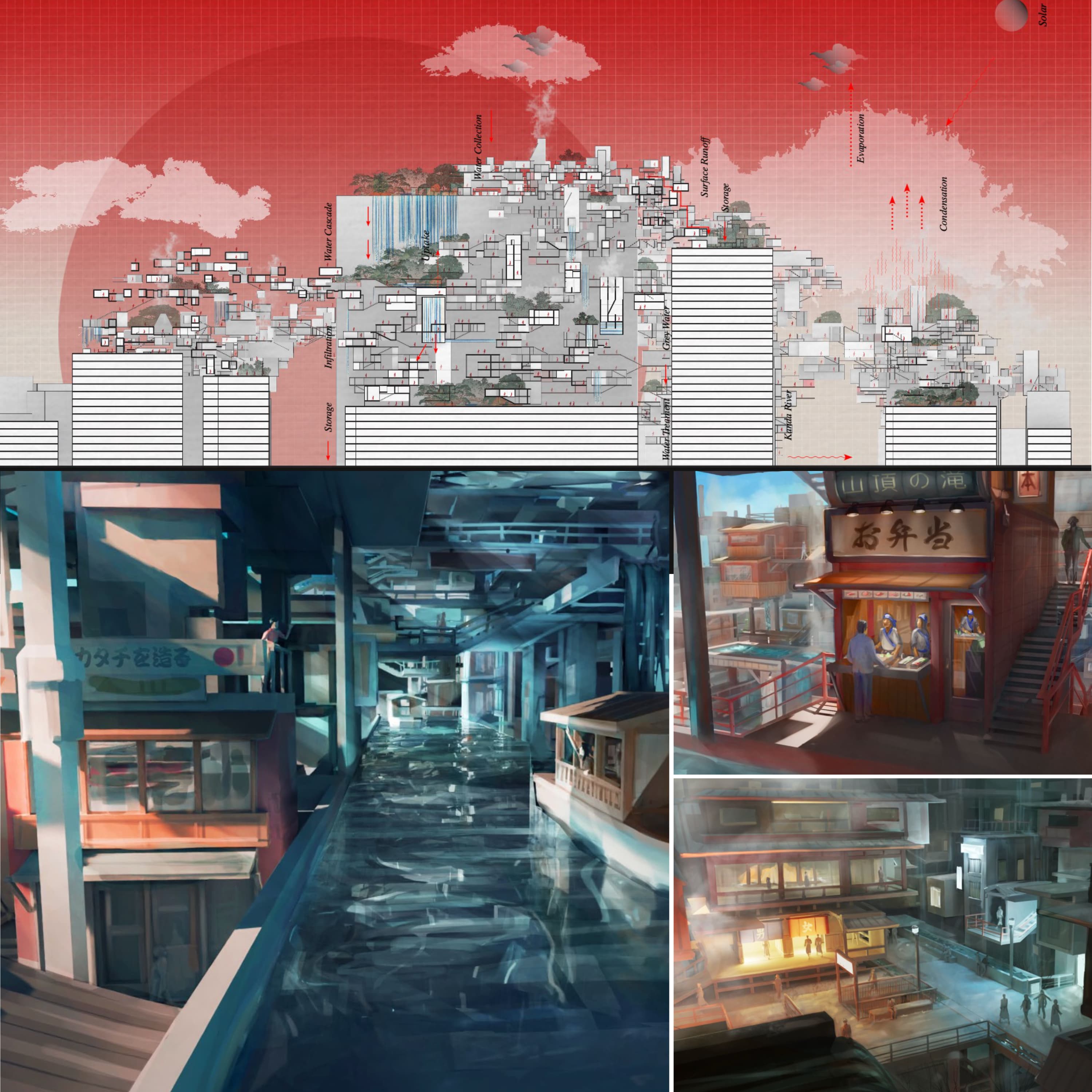
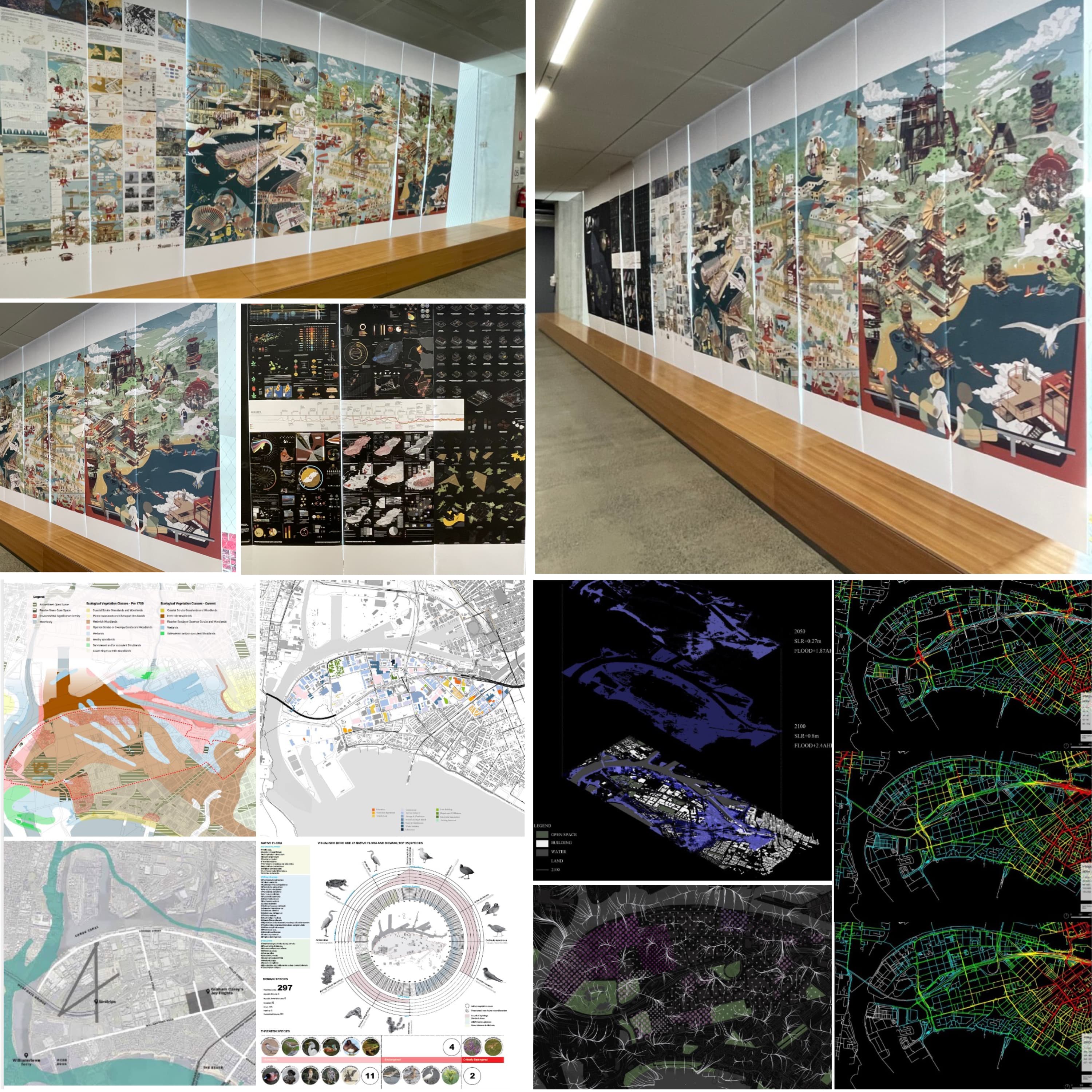
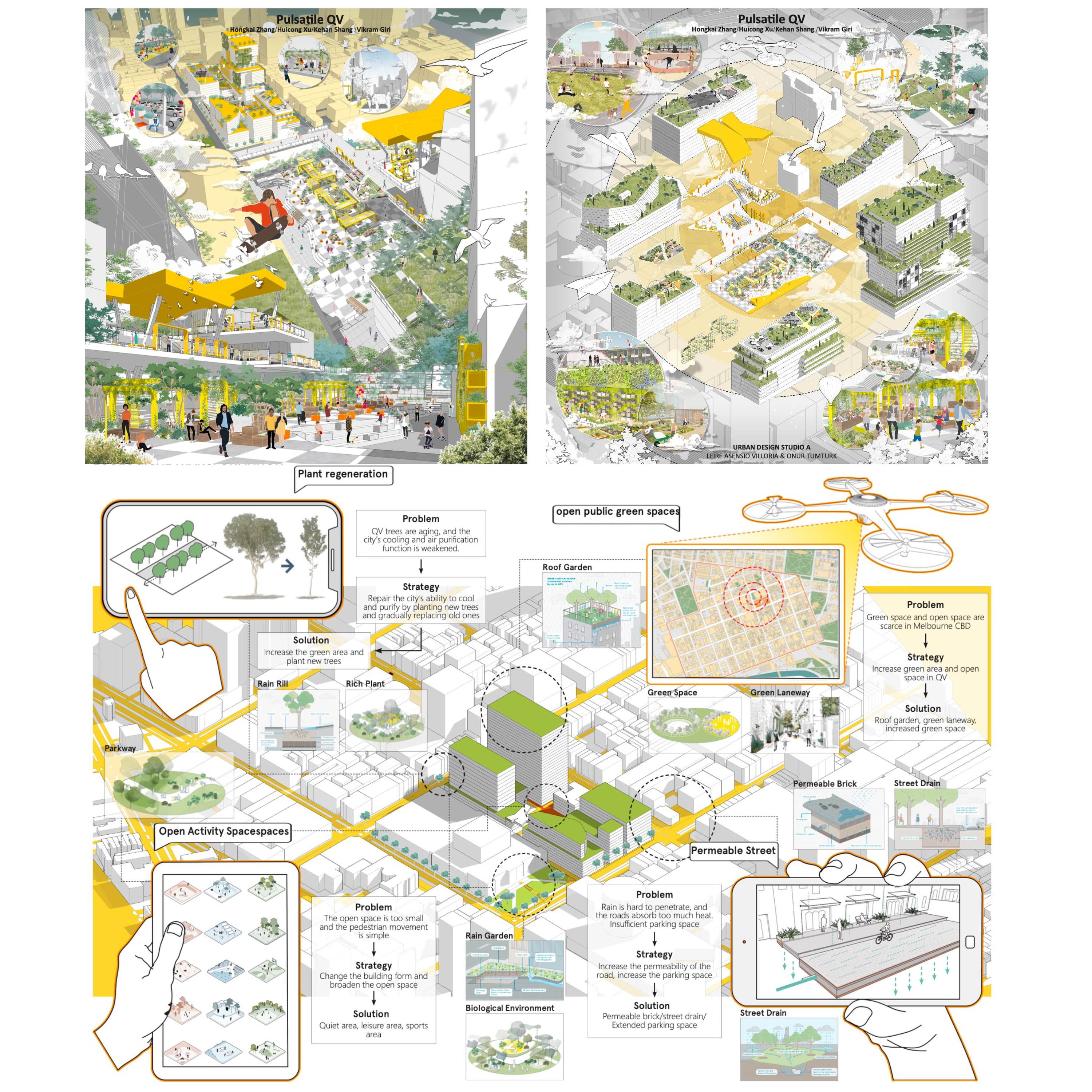
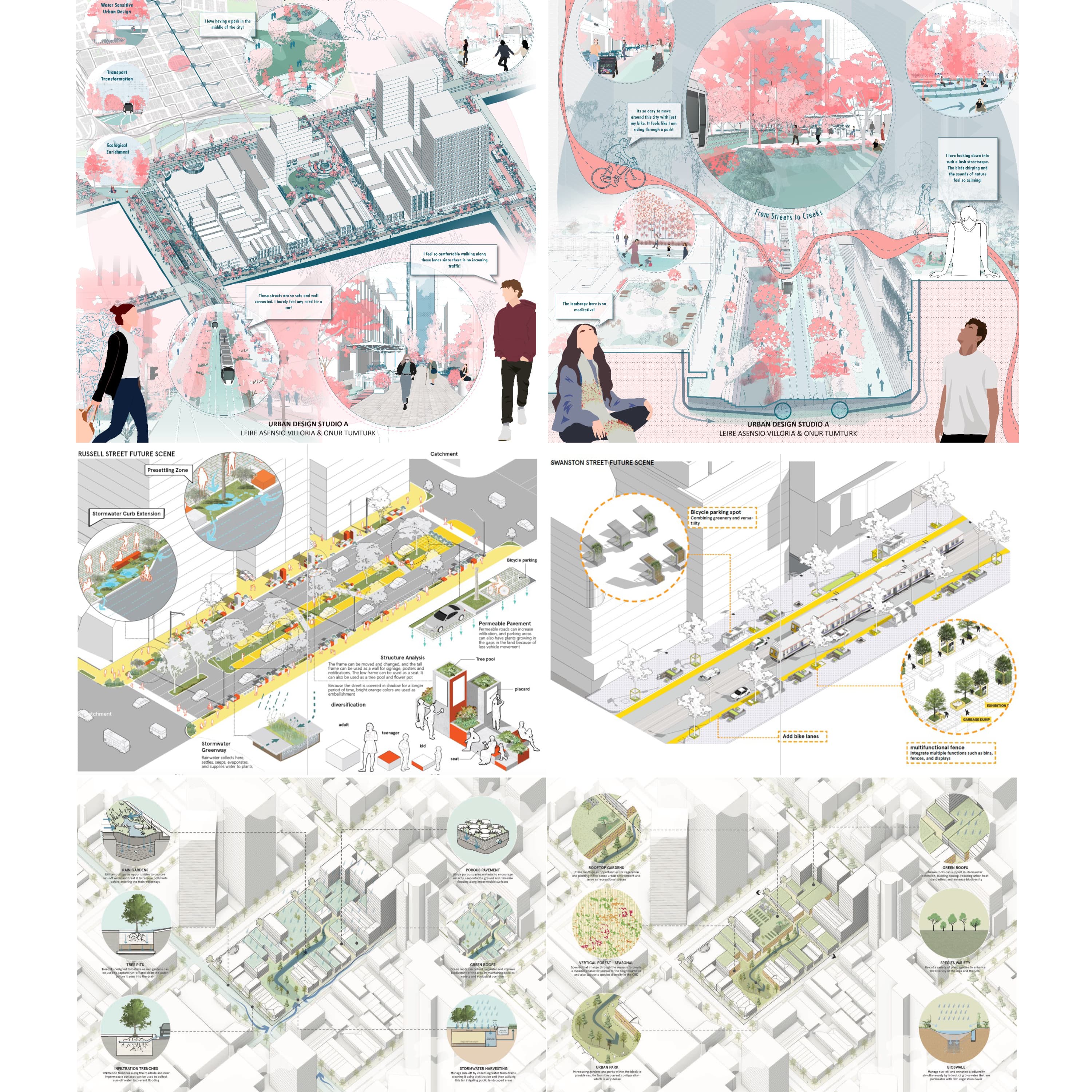
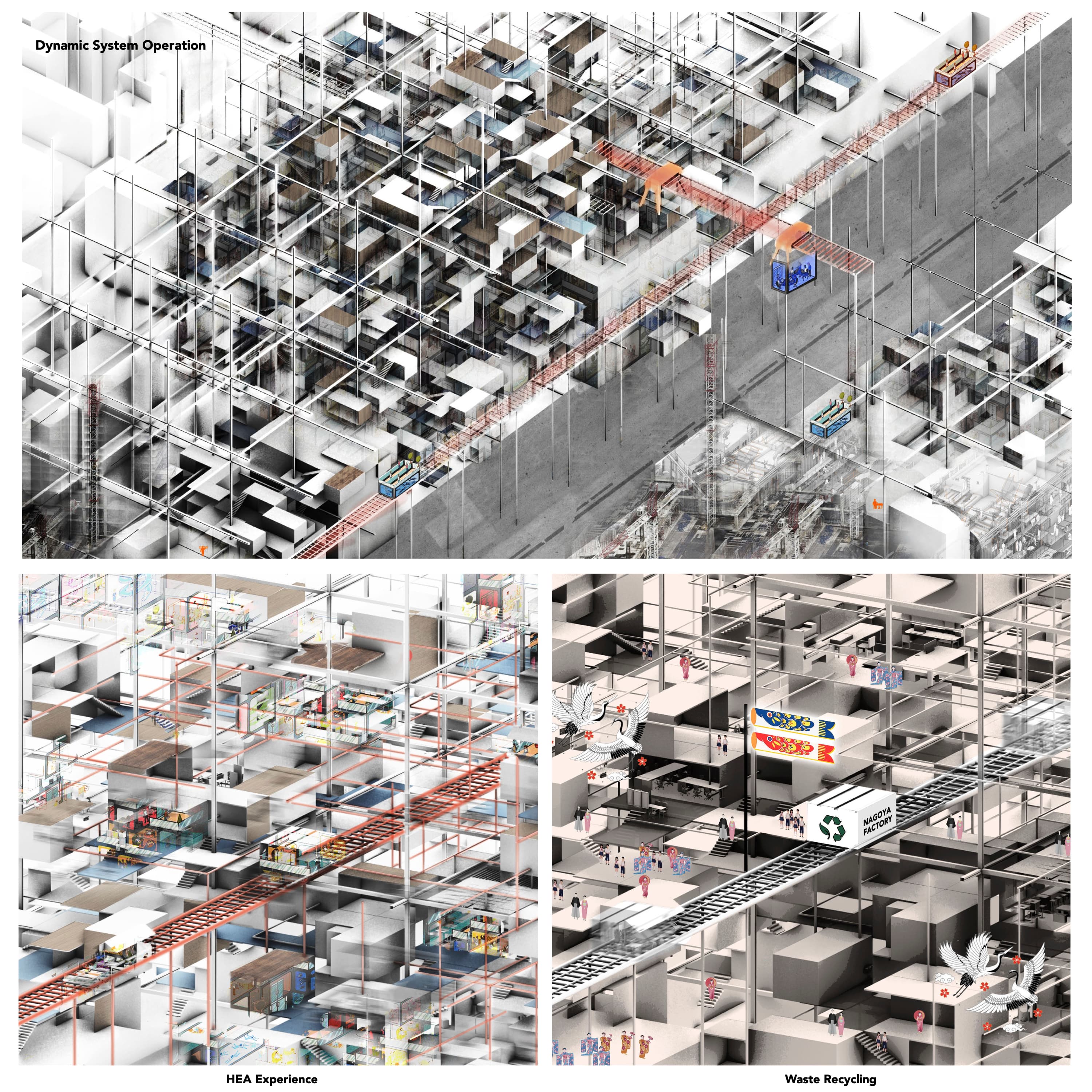
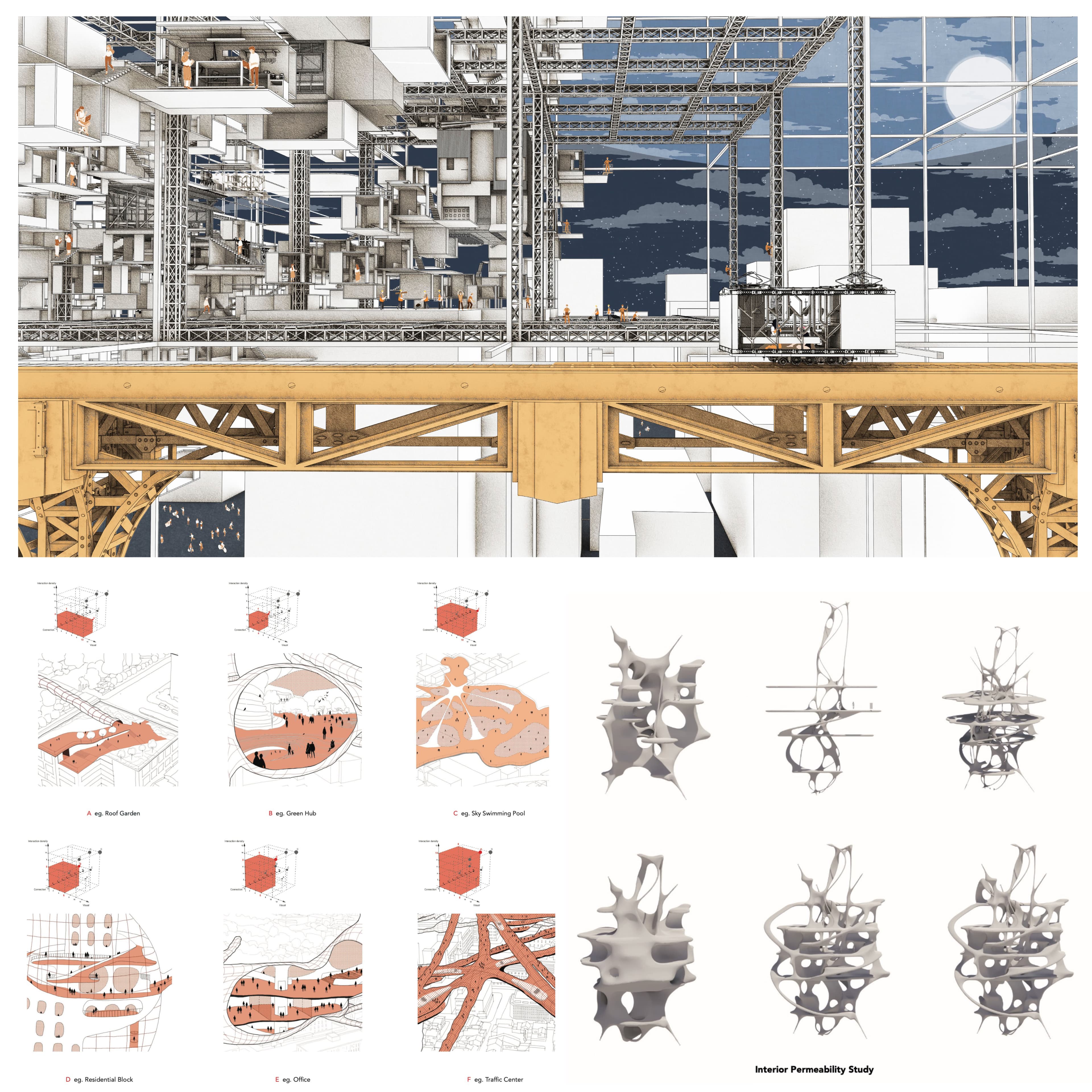
The other thing MSD does well is refusing to let analysis become an excuse for timidity. Justyna, who was also my PhD supervisor, brings the imaginative side of this equation. Shaped by years at the AA School of Architecture, she is intellectually relentless, formally daring, and genuinely fun to work with — the kind of person who makes a studio room feel like it's operating at a slightly higher voltage than normal. Teaching alongside her, my own computational and analytical instincts found exactly the counterpart they needed. Where I tended toward systematic exploration and morphometric rigour, she pushed toward scope, ambition, and the questions nobody else was willing to ask. Studios eventually asked students to stretch their thinking across 75-100 year horizons, not as speculative fantasy but as a disciplined design challenge. What emerged from that synthesis was a shared proposition we eventually named grounded projection: that rigorous analytical grounding and speculative imagination are not opposites, and that deep contextual knowledge is precisely what makes radical projection possible.
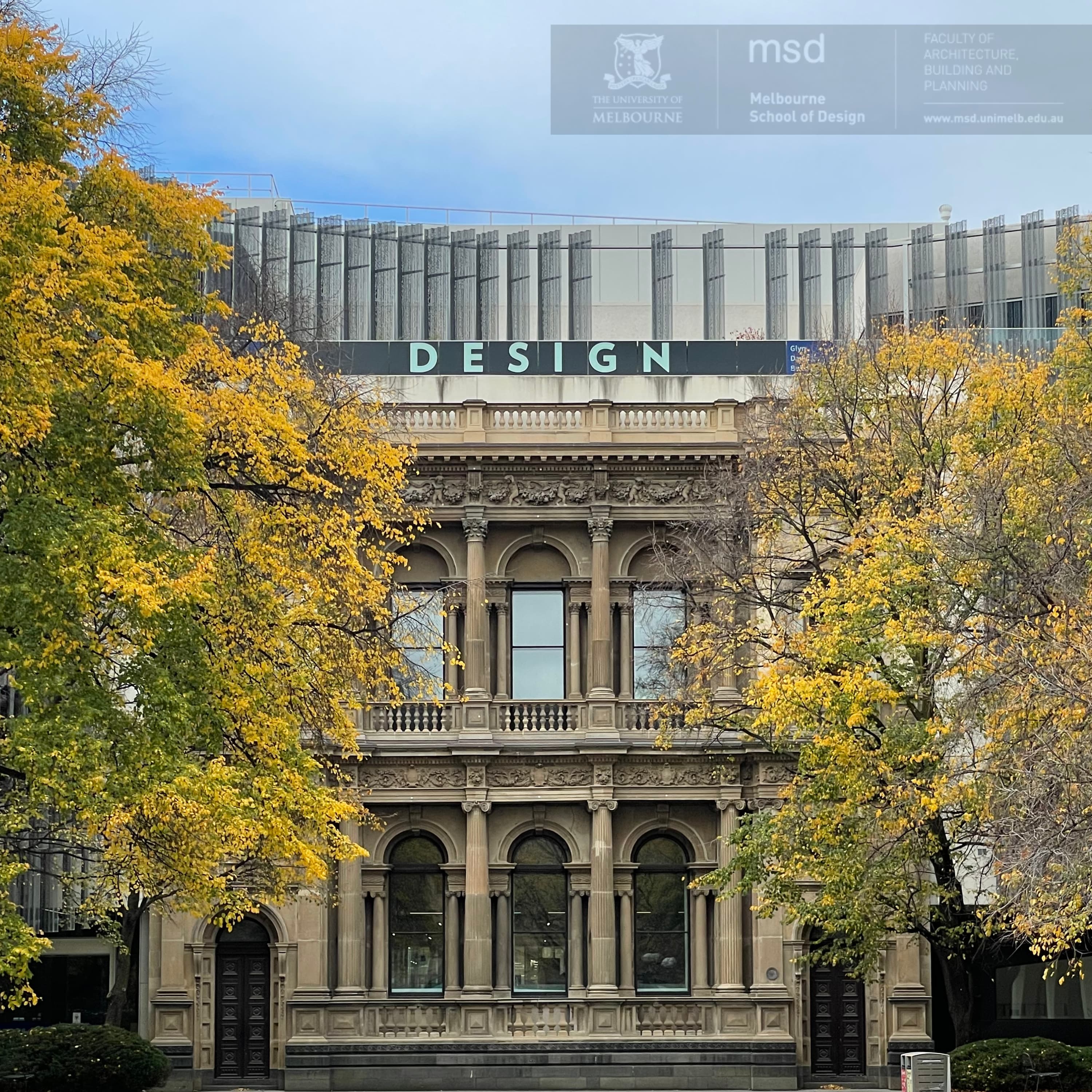
Melbourne as a Living Laboratory
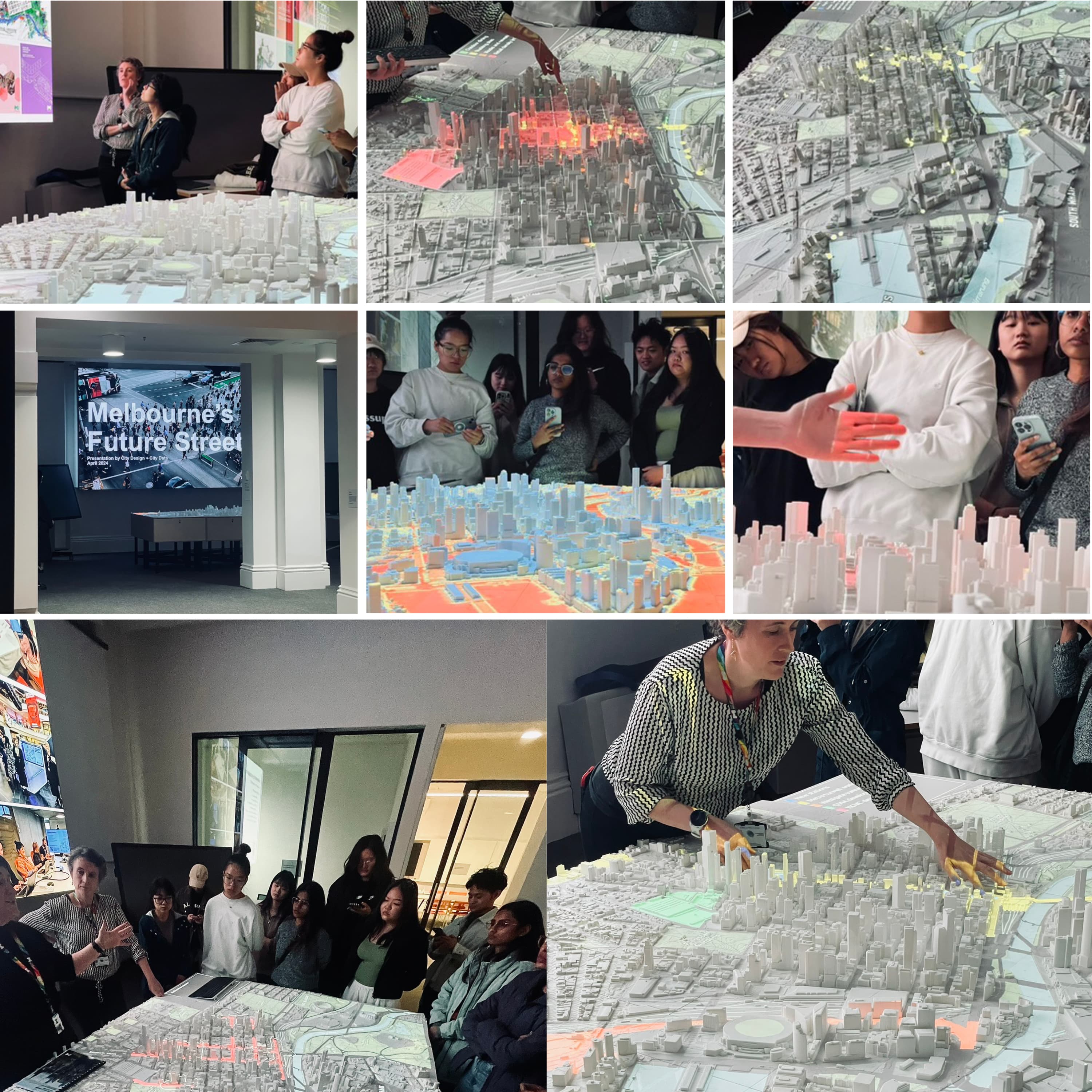
Leire and David, both Harvard GSD graduates, brought a different dimension to the collaboration: a deep investment in technical equipping, in making sure students actually had the tools and methods to do serious work. What Melbourne gave all of us was the perfect testing ground. Students weren't working on invented sites or abstract briefs. They were working on a city they lived in, walked through, and argued about daily. Abstract tools met directly experienced urban reality, and that collision was the point. Contextual knowledge wasn't something to acquire before design began. It accumulated through use, through the friction of applying precise methods to a messy, living, genuinely contested city.
MSDx and What It Leaves Behind
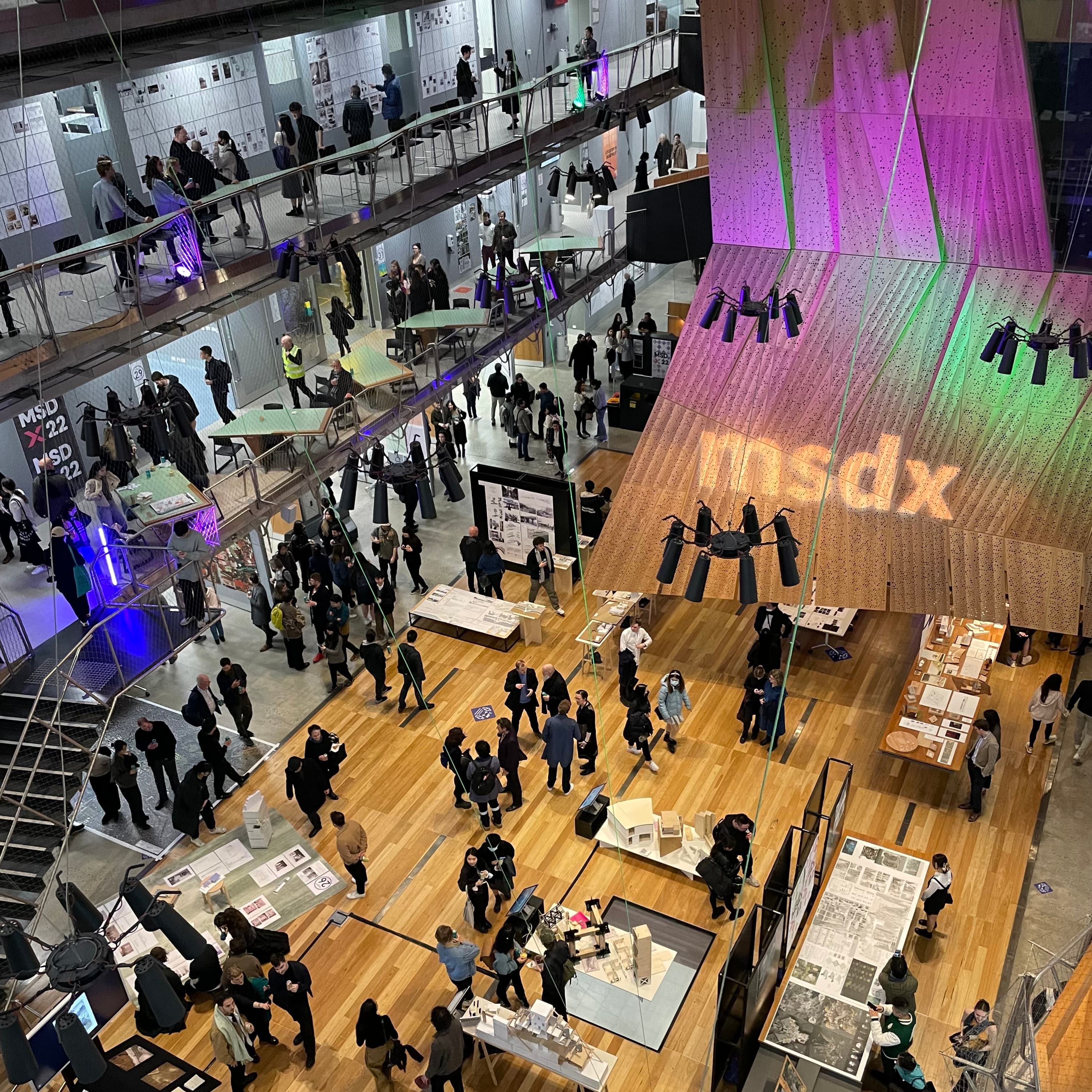
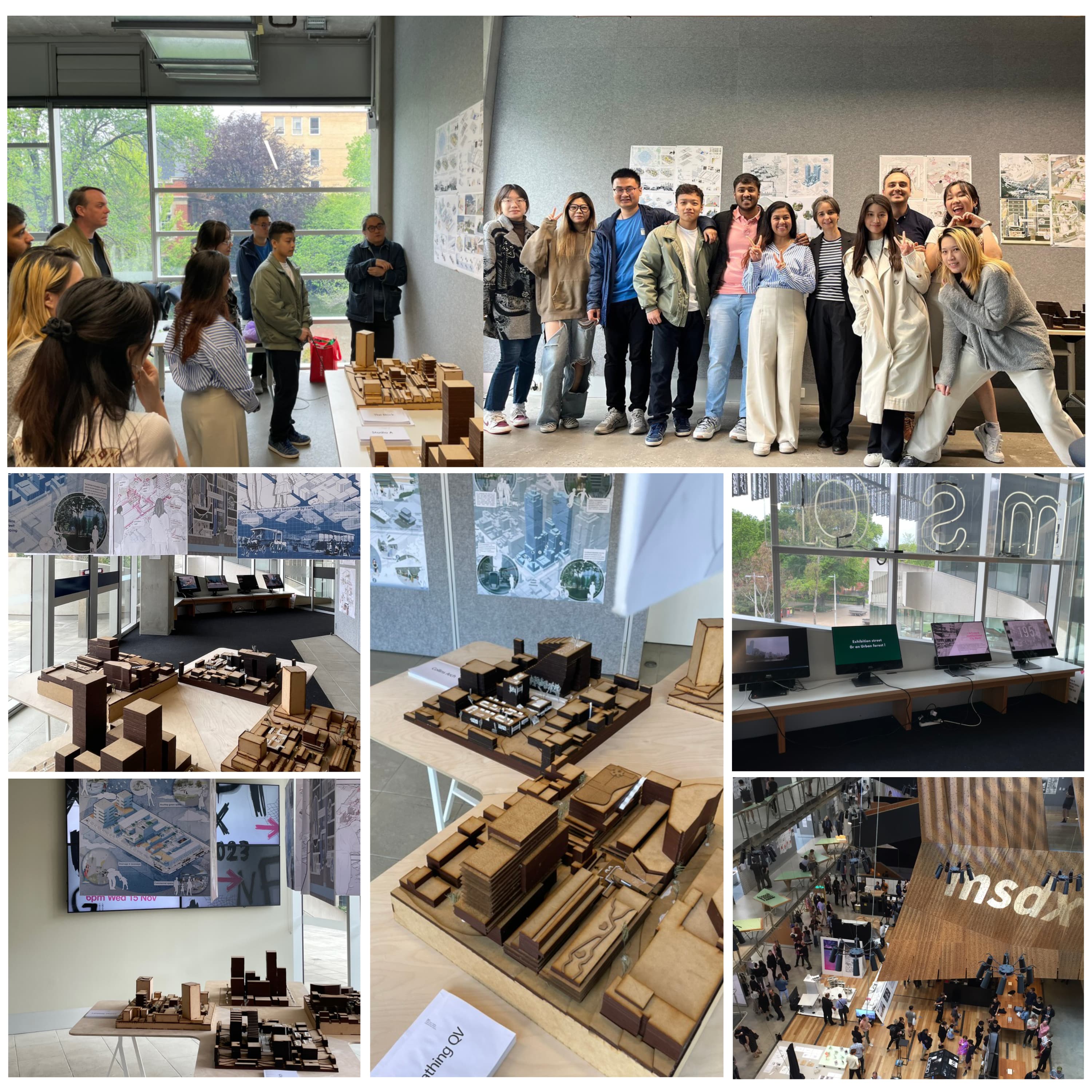
Every semester ended with MSDx, the Melbourne School of Design's end-of-year exhibition celebrating the work of students and faculty across the school. The building transforms for the occasion, corridors and atria becoming gallery space, and the collective output on display is genuinely impressive. For four years running, our studios had work in that show, and I never walked through it without feeling that something real had happened. Of all the things I observed at MSD, this is the institutional tradition I envied most.
These four years left a mark. Working with Justyna, Leire, and David shaped how I think about what design education can and should do, and I carry that with me into every studio I run. The four of us also wrote it up properly, if you want to go deeper: The grounded projection.