Convergence: Gaziantep Urban Design Studio
An urban design and landscape architecture studio at Bilkent LAUD's Fall 2024-2025 semester, focusing on Gaziantep through the theme of convergence. We explored how fragmented urban conditions can become productive through thoughtful design, treating diversity as a resource rather than a problem to solve.
Studio Team: Duygu Alp, İlke Ezgi Ekici, Cemile Ceren Sağatlı, Zeynep Esra Sarı, Öykü Çağla Yılmaz, İsra Dora Çanak, Ece Dağalp, Göknil Beyza Kelleroğlu, Almina Sıla Kuran, Oğulcan Parlakay, İrem Beray Taş, Eylül Türk
Instructors: Hatice Karaca, Onur Tümtürk
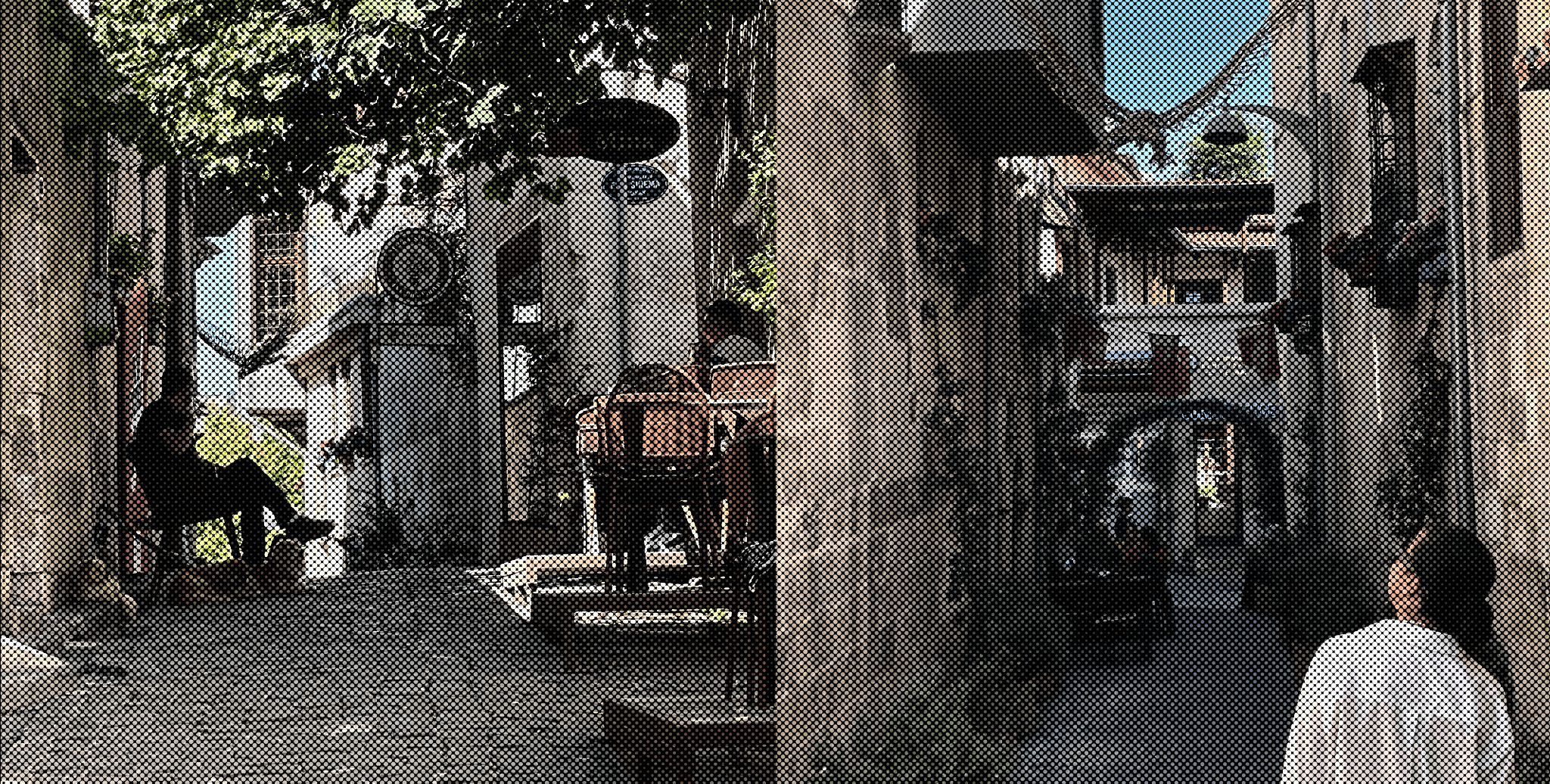
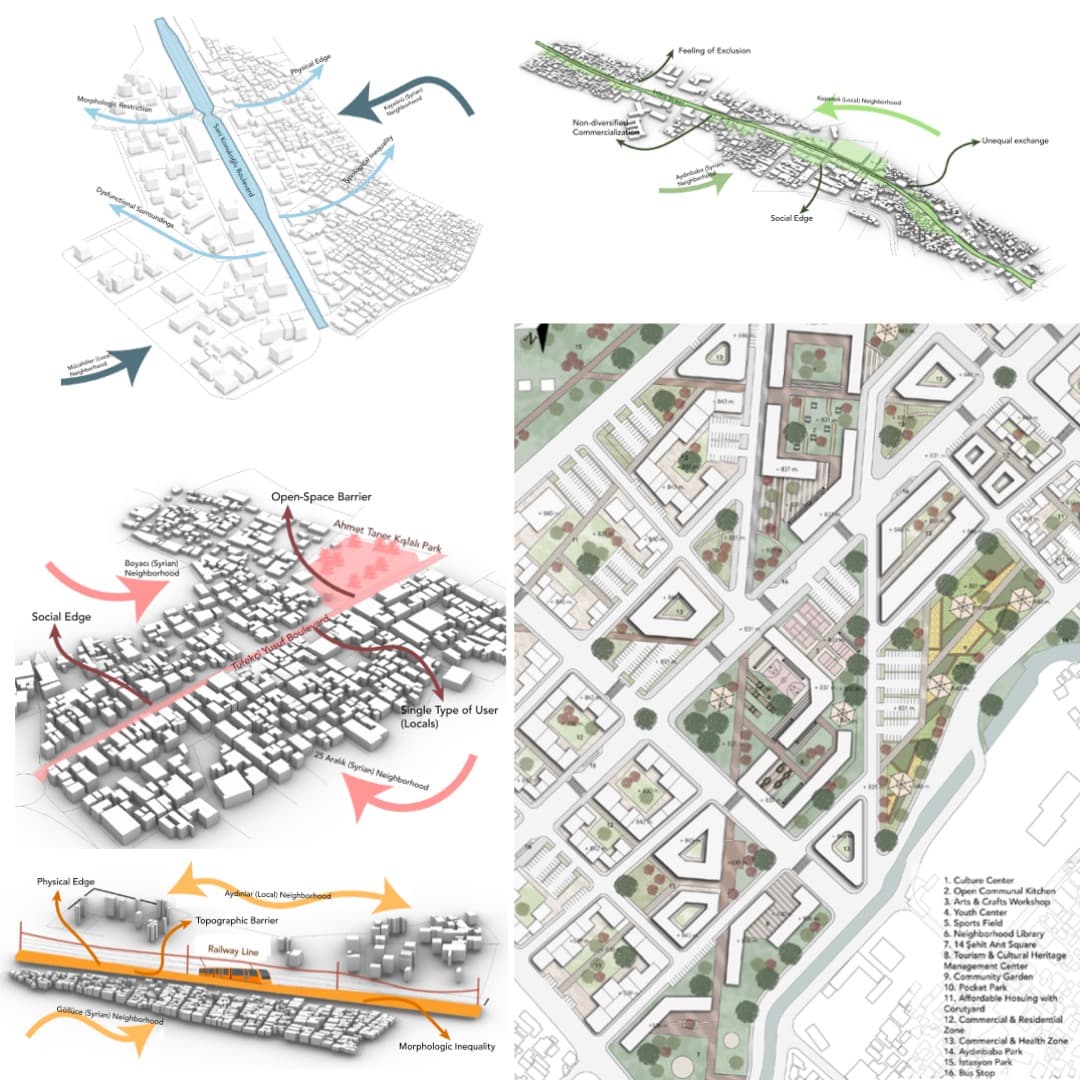
Gaziantep is a city of fragments. Historical centers, industrial zones, planned developments, spontaneous settlements: each follows its own spatial logic, each separated from the others by sharp boundaries. In Convergence: Gaziantep Urban Design Studio (Fall 2024), third and fourth-year undergraduates spent a semester learning to read these boundaries not as problems to solve but as interfaces to activate.
Our approach to convergence sought not to erase differences but to make them productive, not to impose unity but to create opportunities for interaction, not to standardize the urban fabric but to enrich it through thoughtful design. Through this lens, Gaziantep's urban diversity became not a problem to solve but a resource to activate.
Site Visit: Mapping Gaziantep's Fragmented Fabric
A four-day site visit put the studio in direct contact with the city. The historical fabric around the castle, the water infrastructure networks, the way different neighborhoods press against one another: none of this could be grasped from satellite imagery or secondary sources alone. The trip grounded everything that followed.
Four Analytical Frameworks for Interface Design
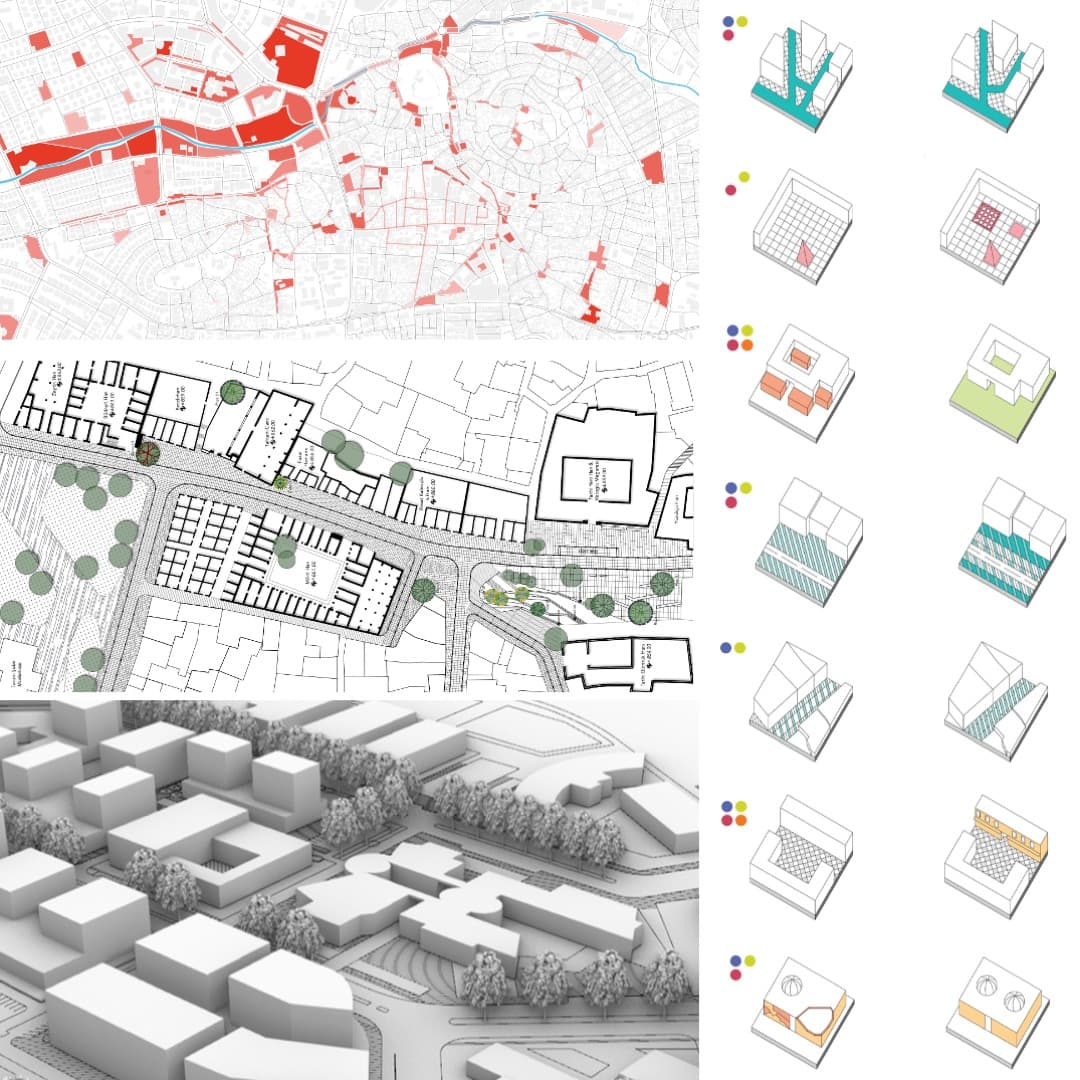
Back in studio, the work unfolded through four analytical frameworks: urban form typology and environmental performance, street pattern and accessibility analysis, water infrastructure heritage and hydrological mapping, and open space classification. Each built toward identifying specific points of convergence: places where thoughtful intervention could reconnect, repair, or activate interfaces between urban fragments. The scale shifted constantly, from city-wide mapping to the design of a single threshold space.
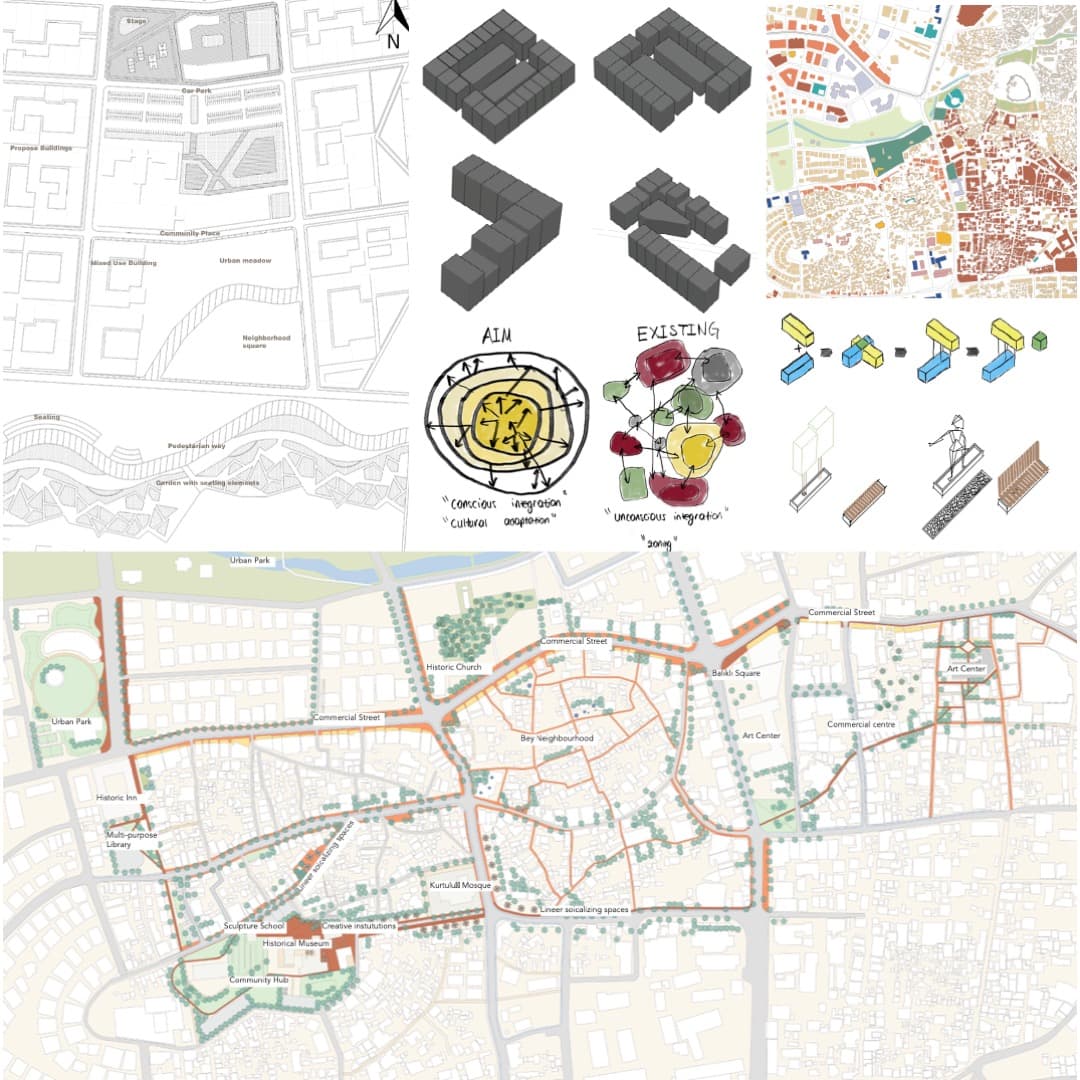
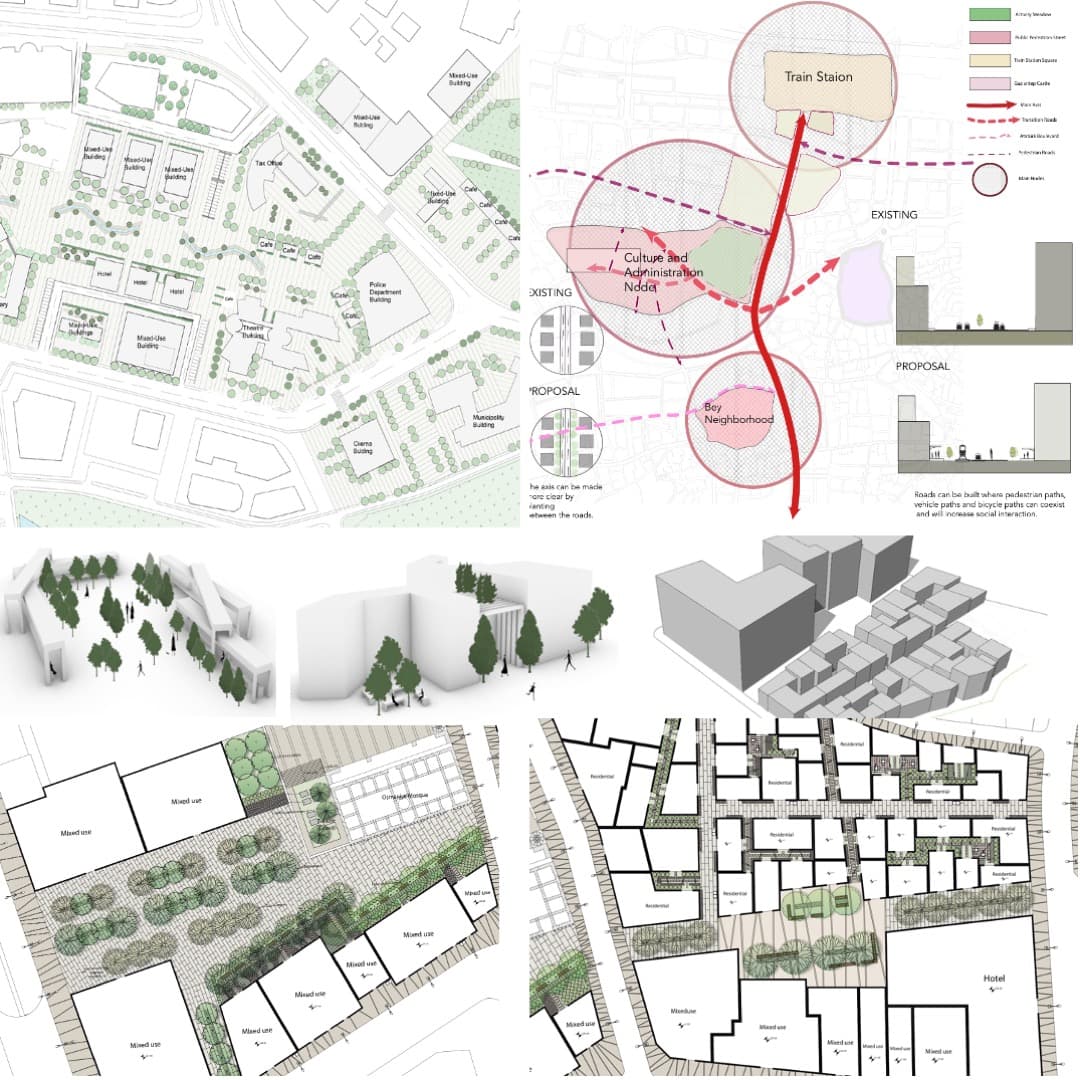
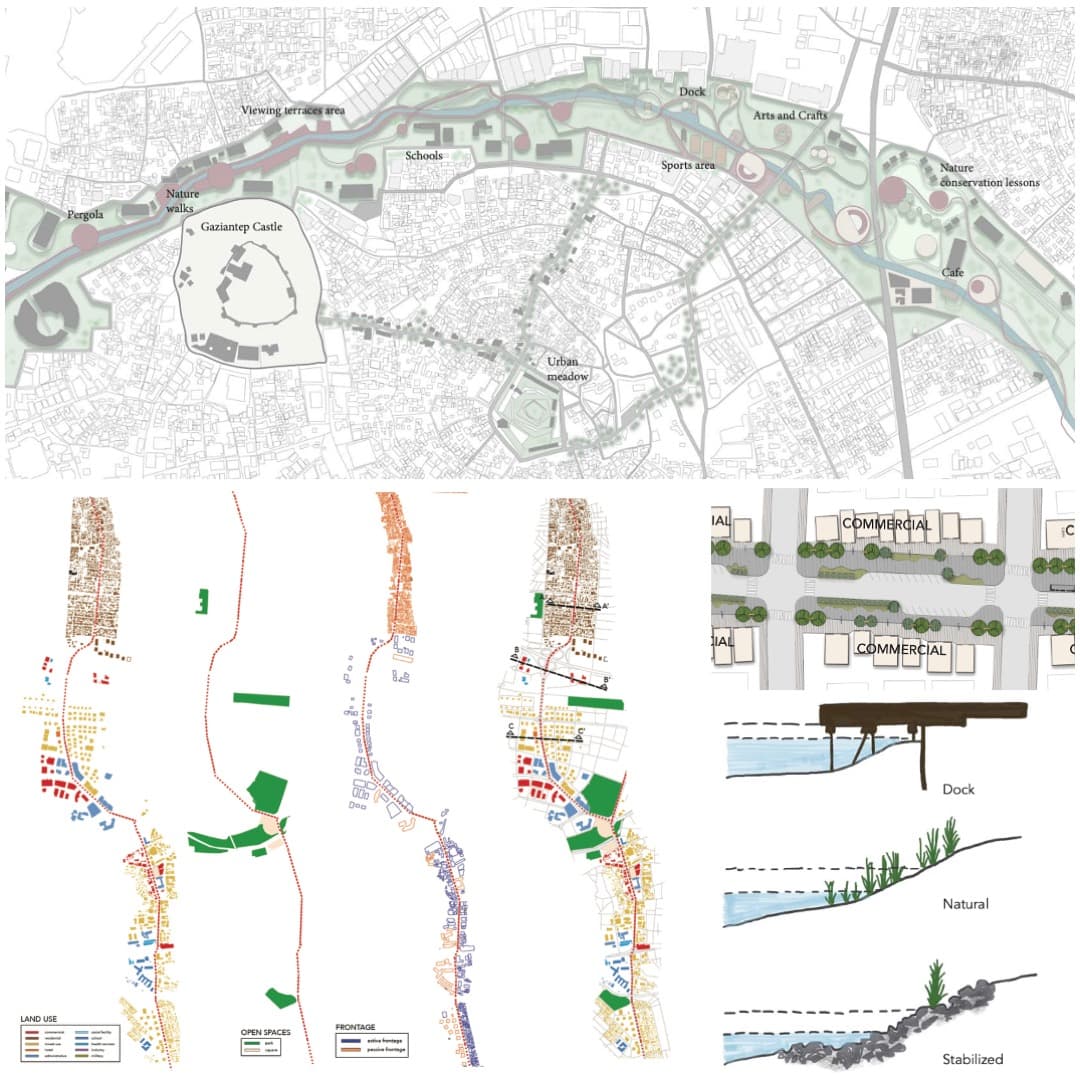
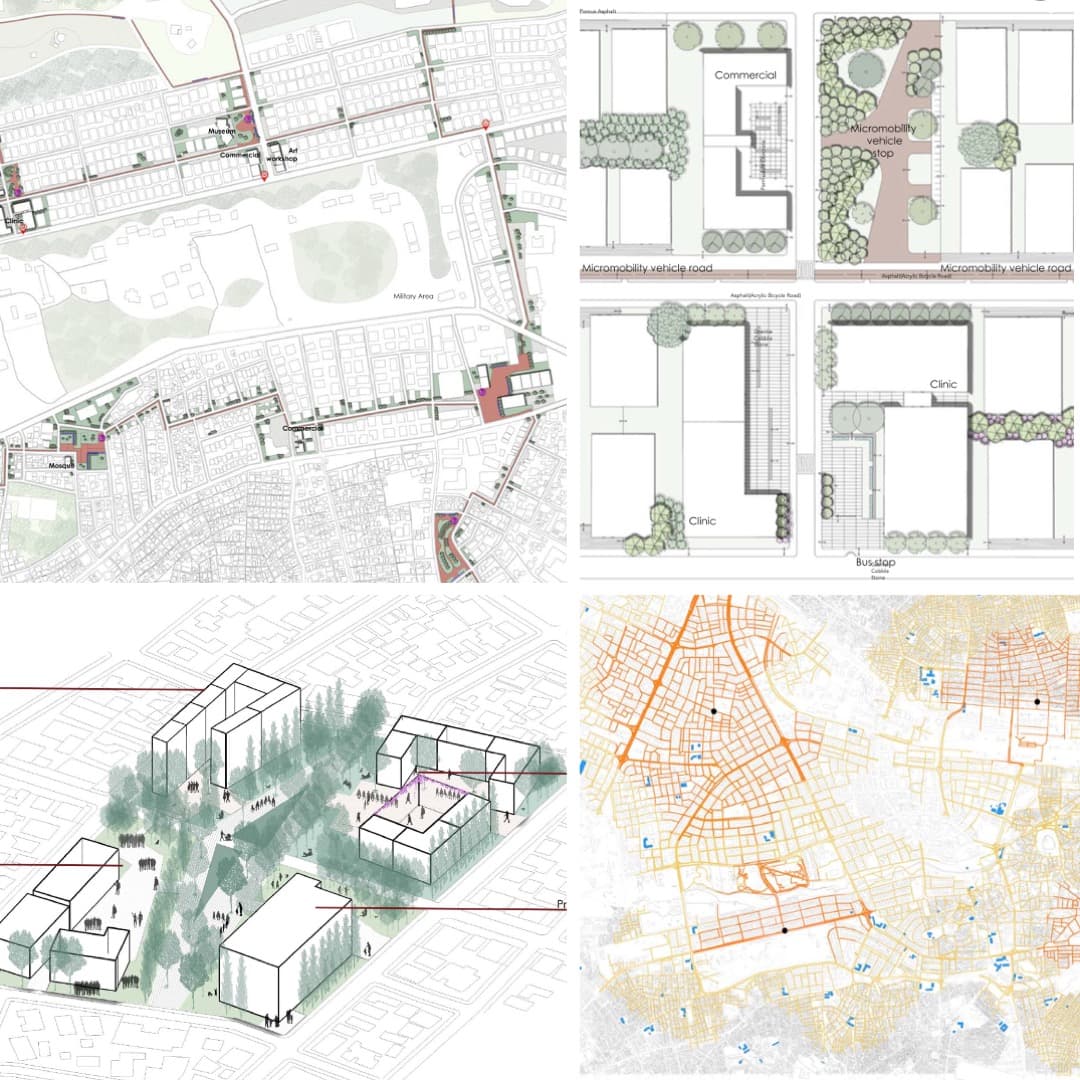
Student Projects: Activating Urban Boundaries
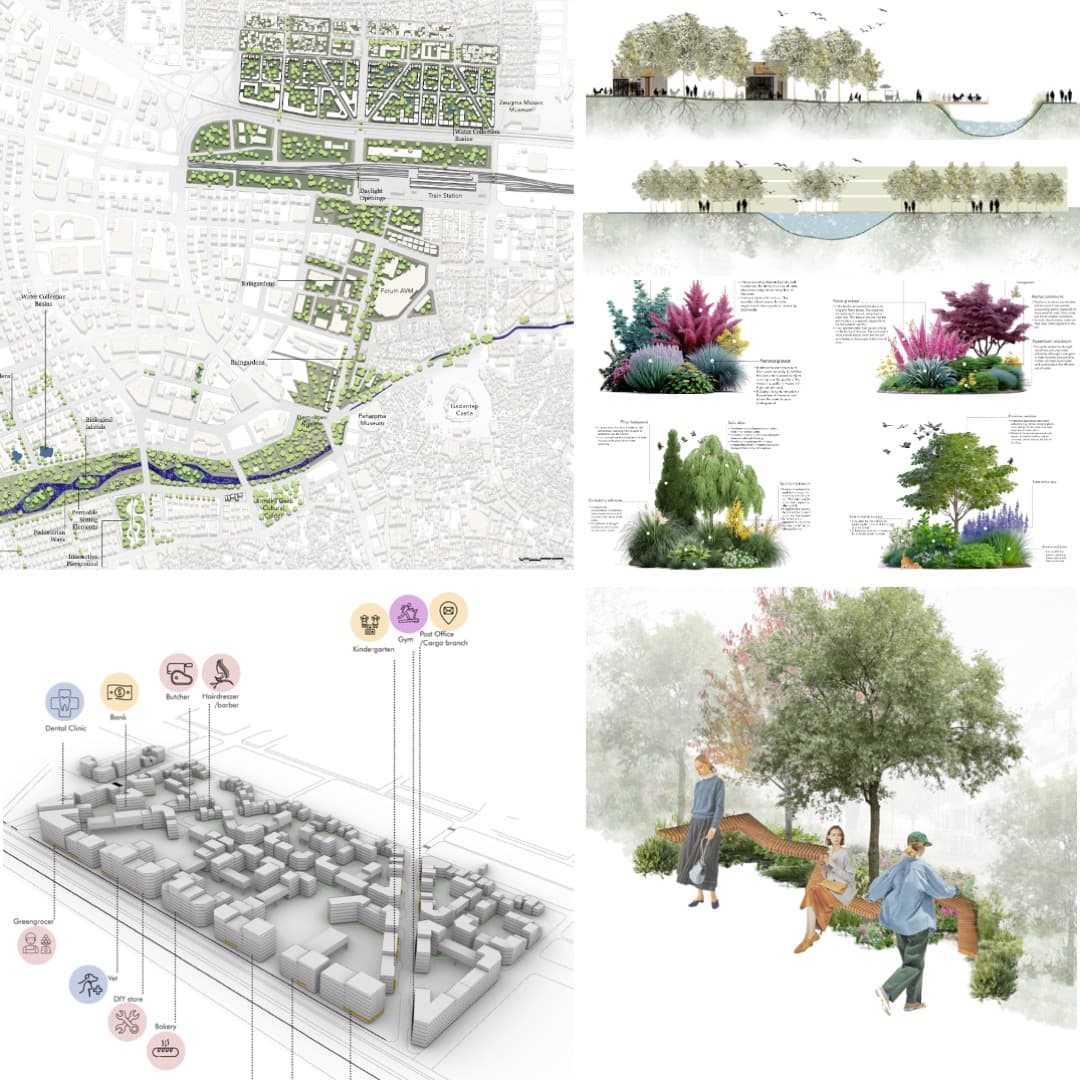
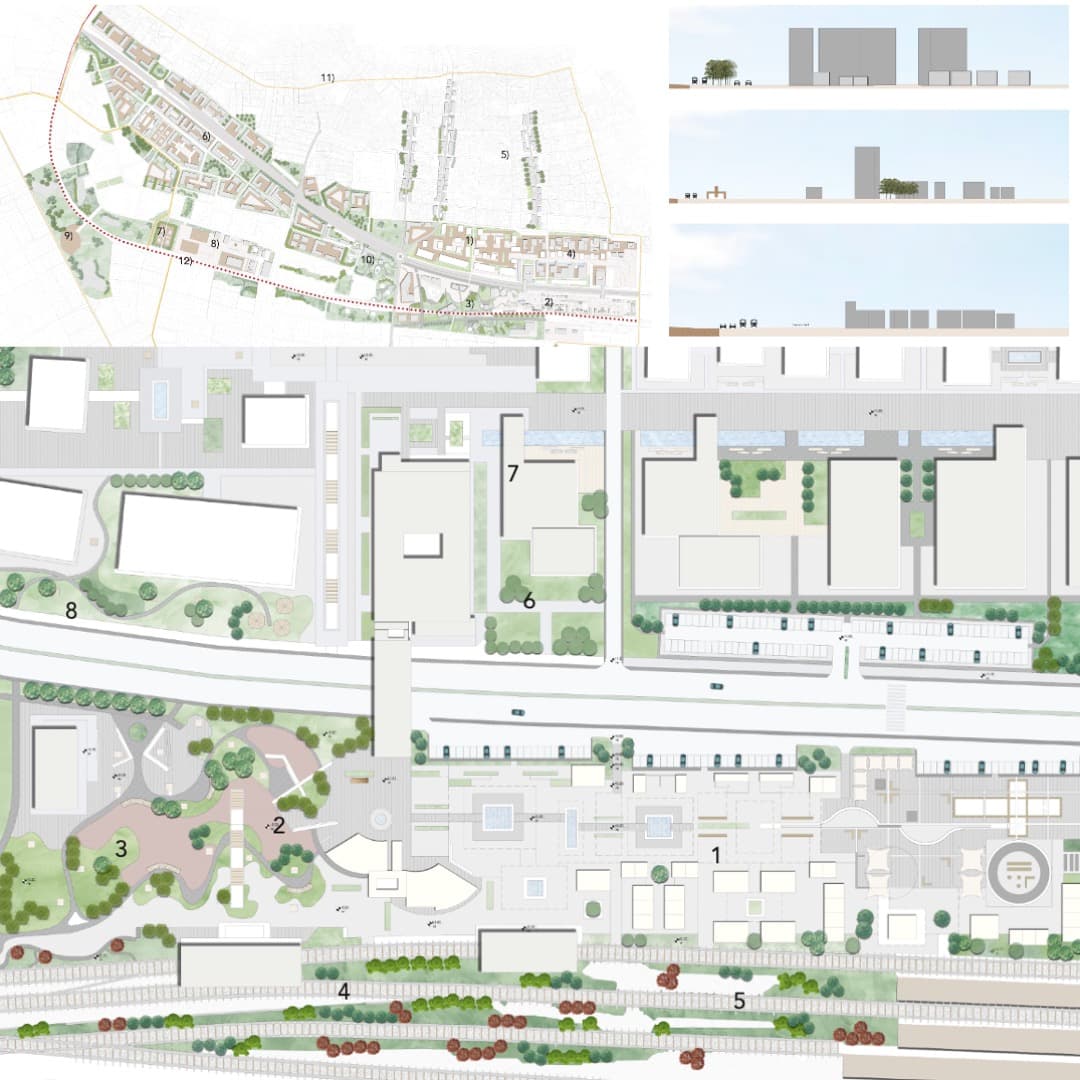
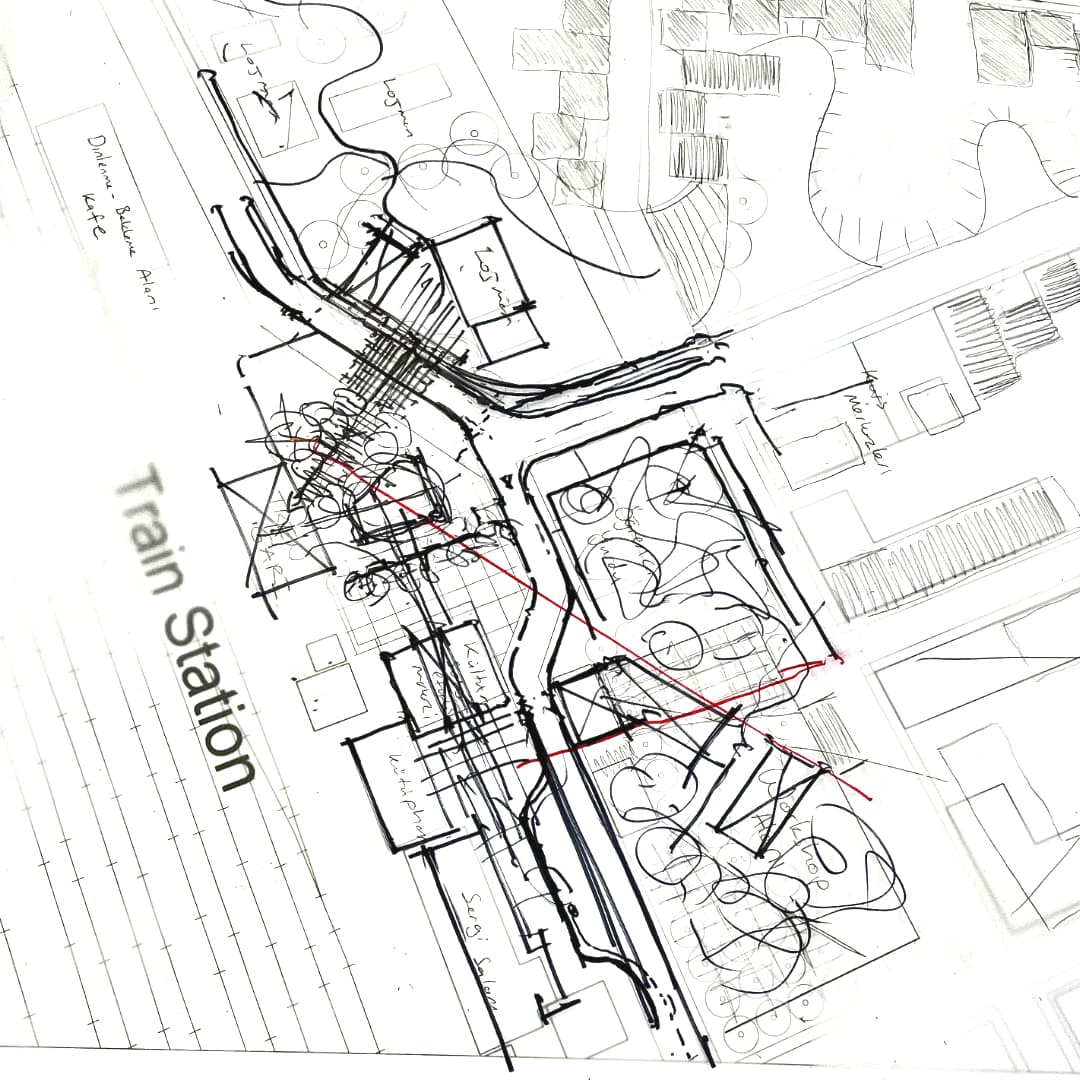
The proposals that emerged each addressed a distinct convergence condition: reimagining railway landscapes as connective tissue, designing socio-ecologically resilient spaces along flood-vulnerable corridors, questioning publicness in central spaces, and exploring chrono-urban approaches to accessibility. Every project treated urban diversity as a resource rather than a condition to overcome.
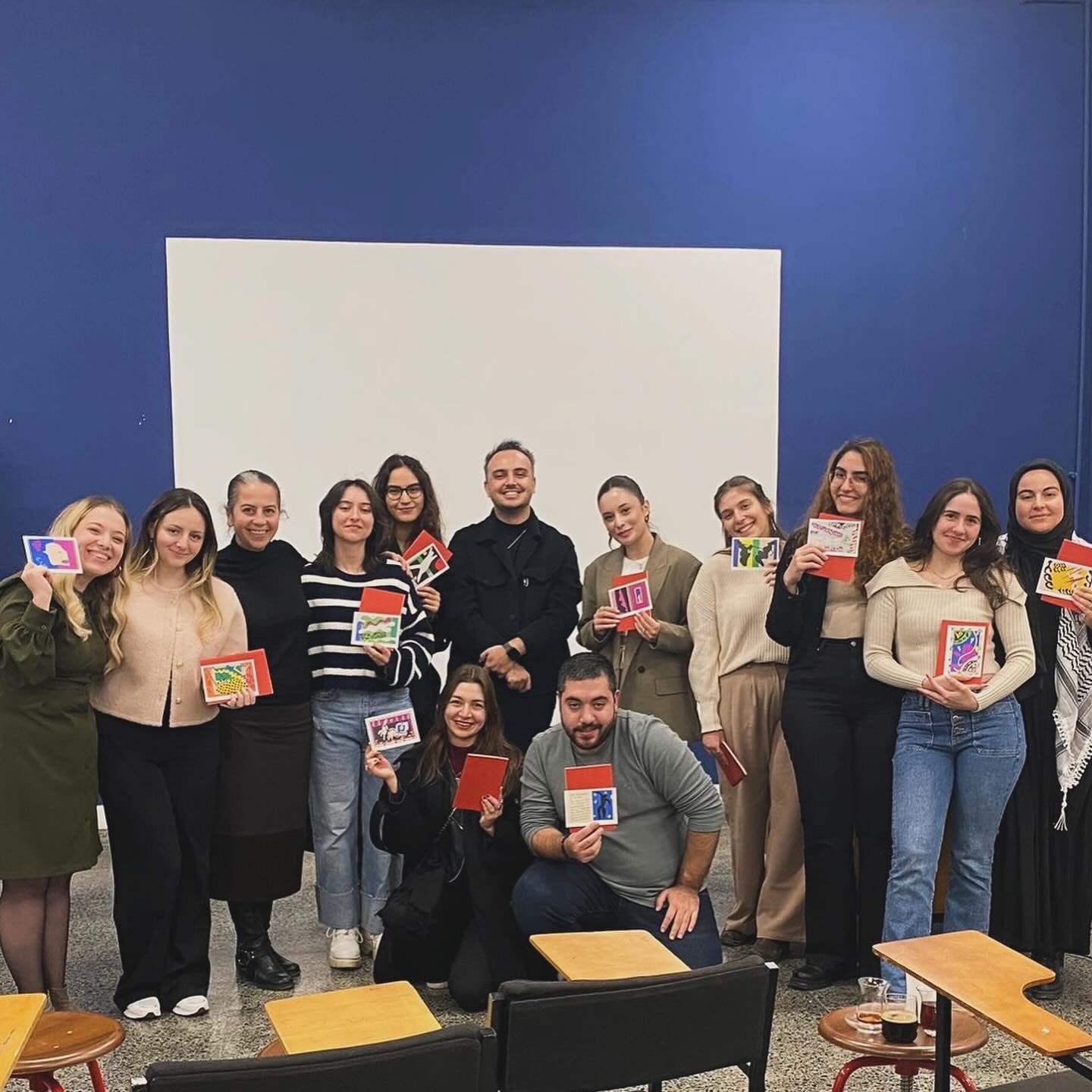
This was my first semester at Bilkent LAUD, and it was a well-spent one. Working alongside an incredibly talented group of students and colleagues made it easy to want to do something lasting with the work. So we started something new: published booklets documenting studio outputs in three volumes, one analytical and two design. It's a tradition I first practiced at the Melbourne School of Design, and one I've wanted to bring here ever since. These booklets are not just departmental memory. They are a way to give our students' work the recognition and visibility it deserves. Enjoy!