Strata: Excavating Urban Futures of İskenderun
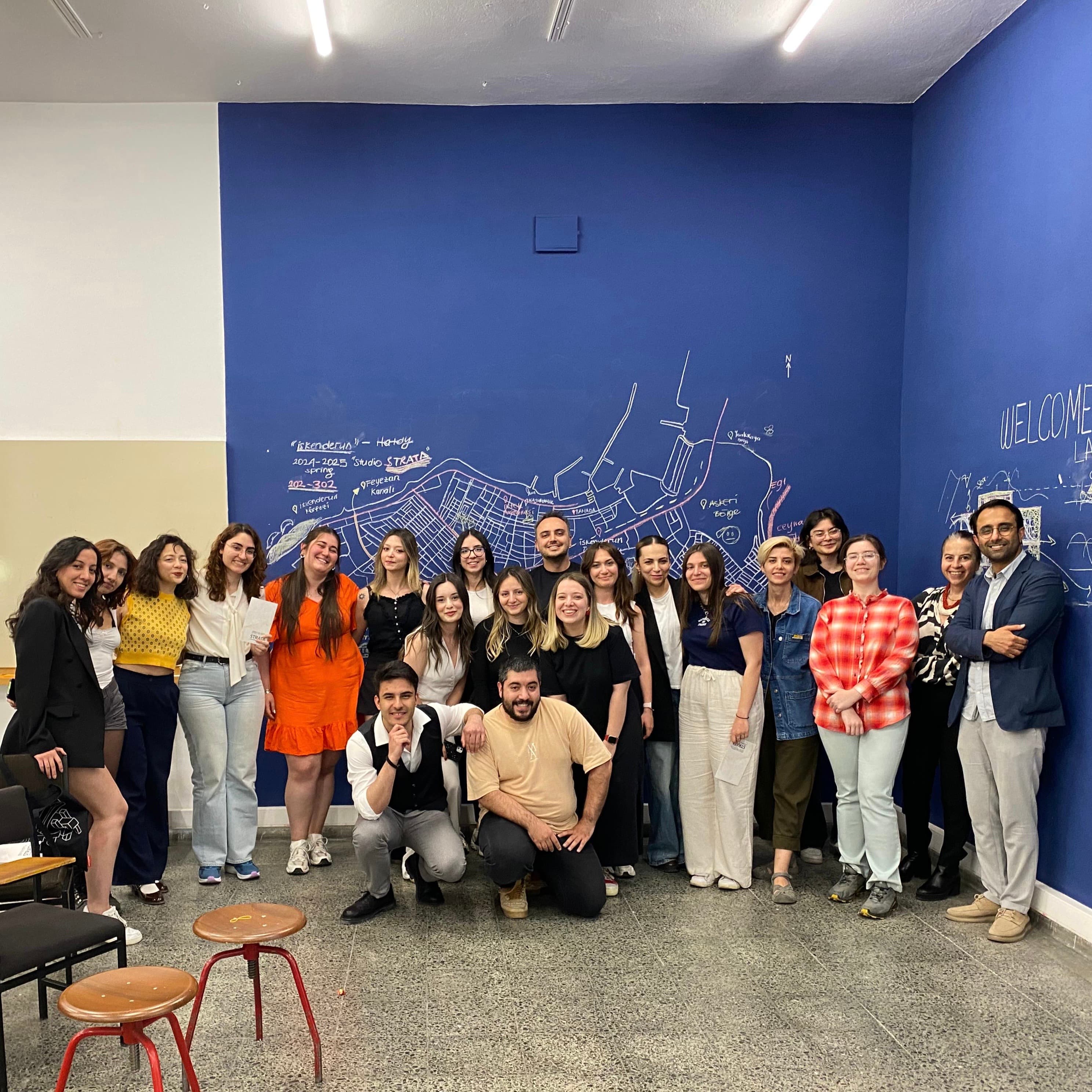
An urban design studio at Bilkent LAUD's Spring 2024-2025 semester, focusing on İskenderun through the concept of urban strata. Students act as both archaeologists and visionaries, excavating the city's layered histories to activate urban futures.
Studio Team: İpek Bayrak, İsra Dora Çanak, Ece Dağalp, Öznur Işık, Zeynep İşcanoğlu, Almina Sıla Kuran, Oğulcan Parlakay, Elifsude Şimşek, İrem Beray Taş, Göksu Toyran, Eylül Türk, Esra Naz Akgüneş, Atlas Ada Çelik, İlayda Şimal Dalyanoğlu, İfakat Deveci, Ayşegül Kaya, Bedirhan Yenigün
Instructors: Hatice Karaca, Onur Tümtürk
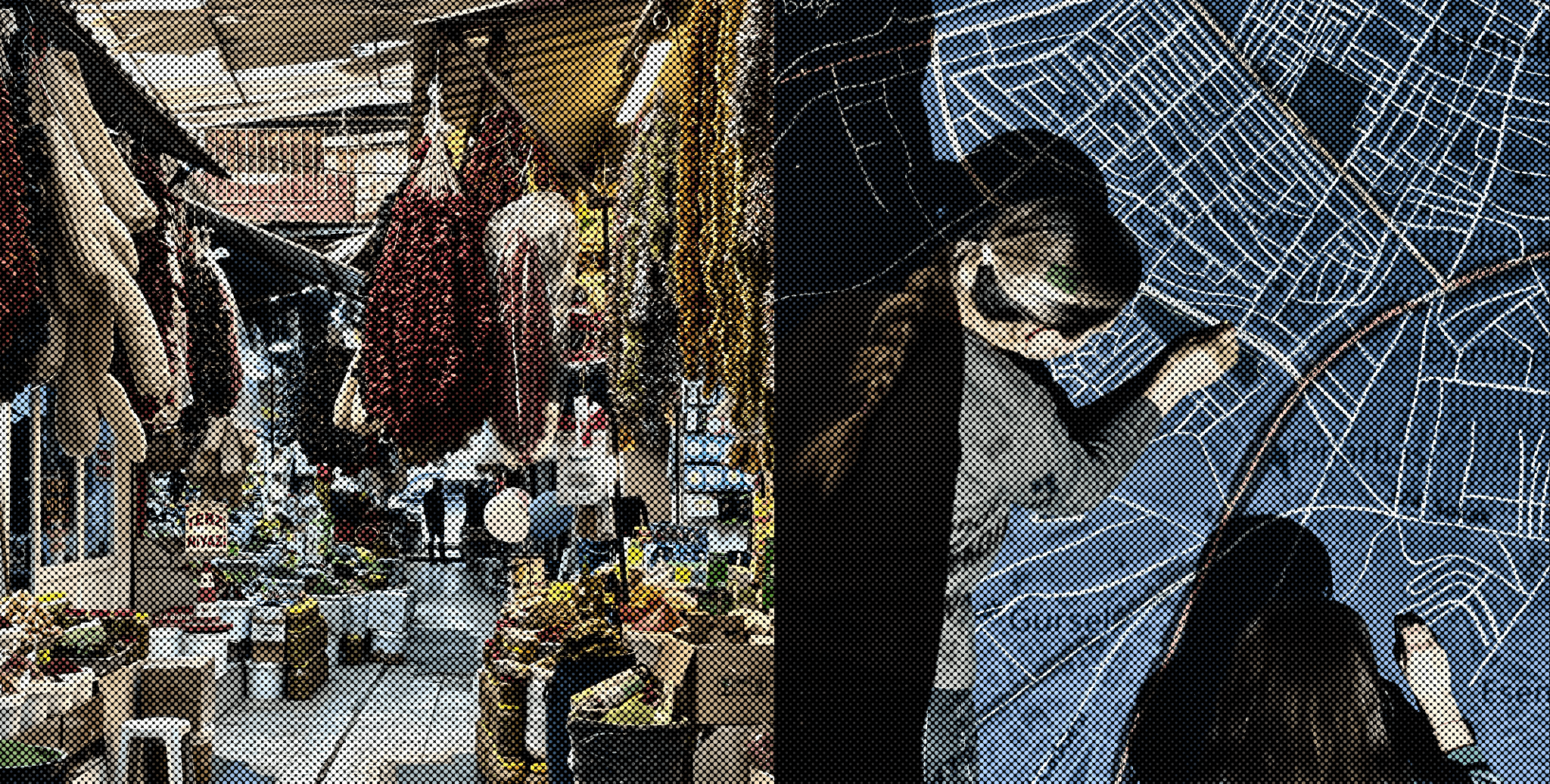
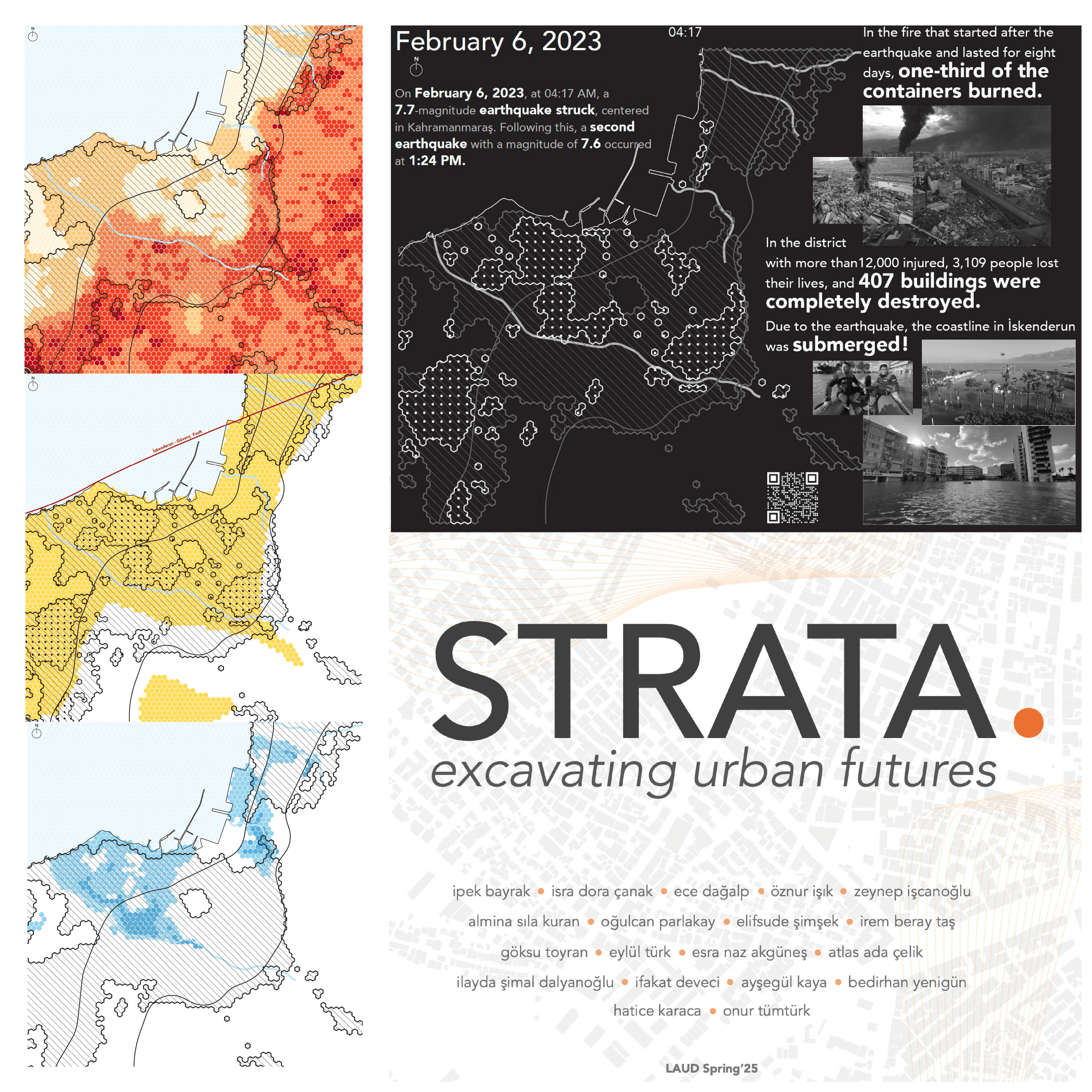
İskenderun's urban surface conceals an intricate accumulation of geological formations, marshland ecologies, the French Mandate grid, port infrastructures, and the scars of the 2023 earthquakes. In Strata: İskenderun Urban Design Studio (Spring 2025), second and third-year undergraduates became both archaeologists and visionaries. As archaeologists, they excavated the city's complex spatial narratives. As visionaries, they engaged with what these layers could become.
Interpretation Before Analysis: Understanding Strata
Unlike studios that begin with site analysis, Strata started with interpretation. Before touching maps or data, students developed their own critical reading of what "strata" means, both as theoretical concept and as spatial phenomenon. This conceptual groundwork shaped everything that followed: each student's understanding of layering guided how they saw the city and what they eventually proposed.
Systematic Vertical Readings Across Urban Layers
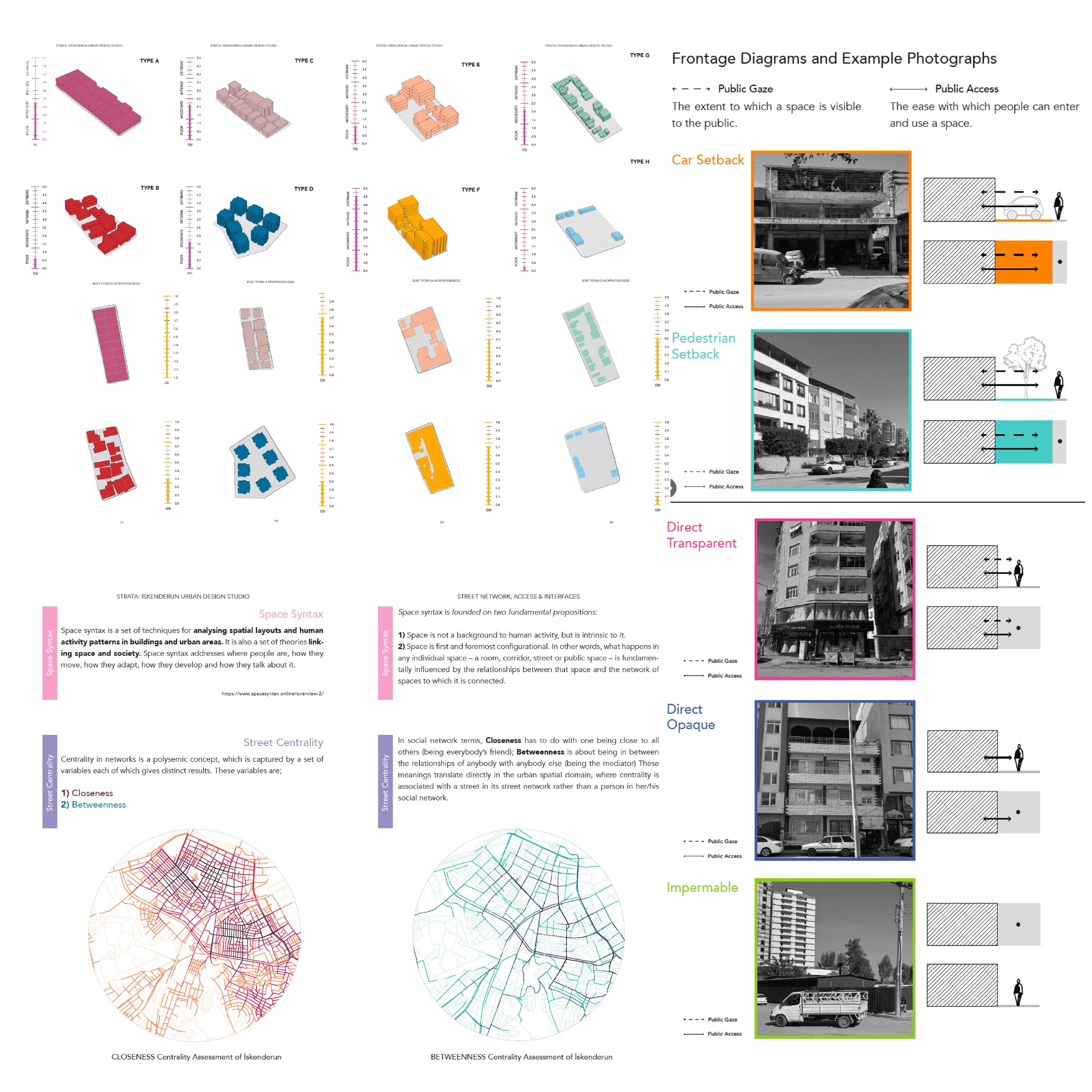
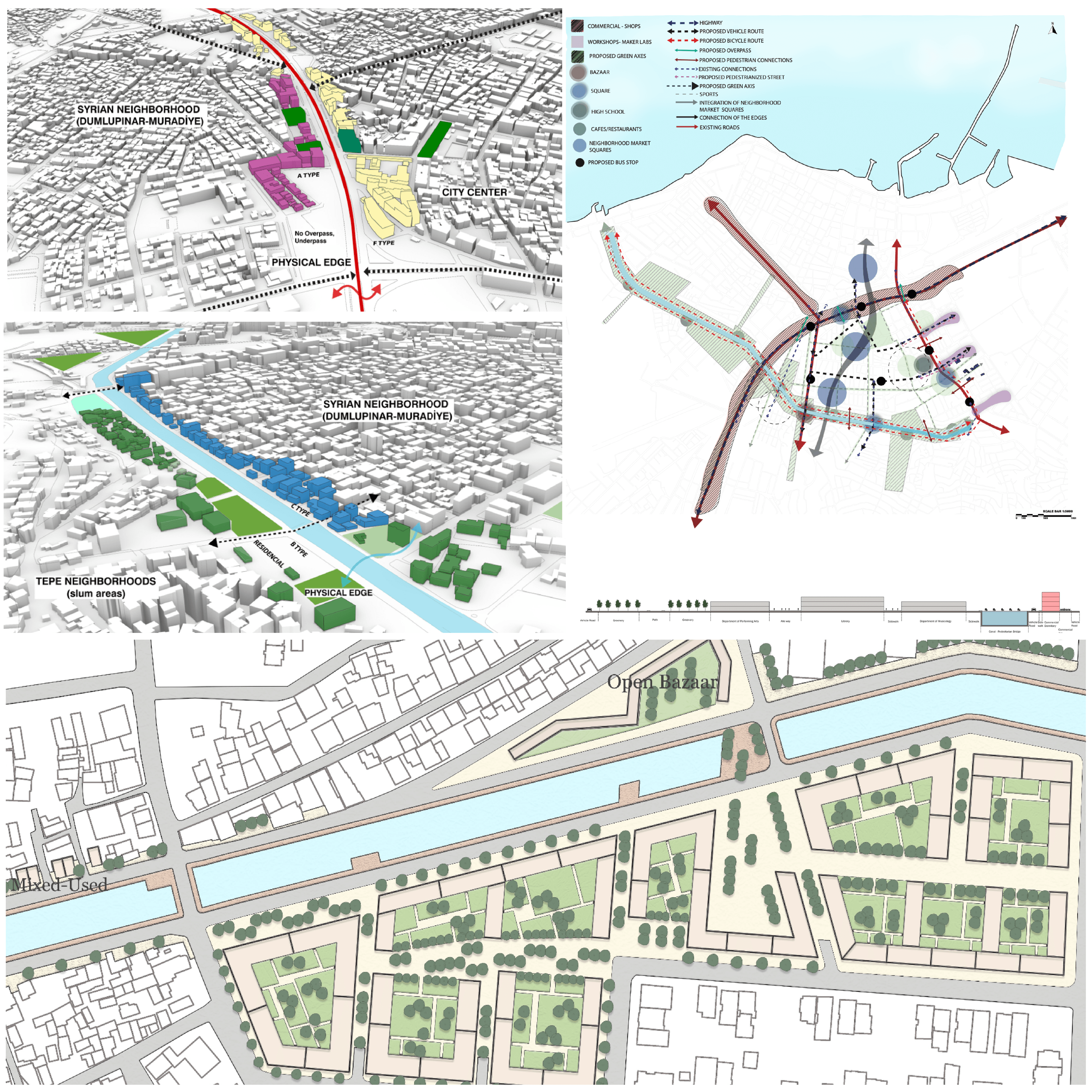
A four-day site visit to İskenderun put students in direct contact with the city's visible and buried systems. Back in studio, they produced systematic vertical readings through physical, social, and ecological cross-sections, documenting how different urban layers interact and influence each other. The analytical framework covered morphological evolution, street network patterns, urban activity interfaces, and ecological infrastructure. But the goal wasn't comprehensive mapping. It was pattern recognition: finding consistencies and anomalies that revealed design opportunities.
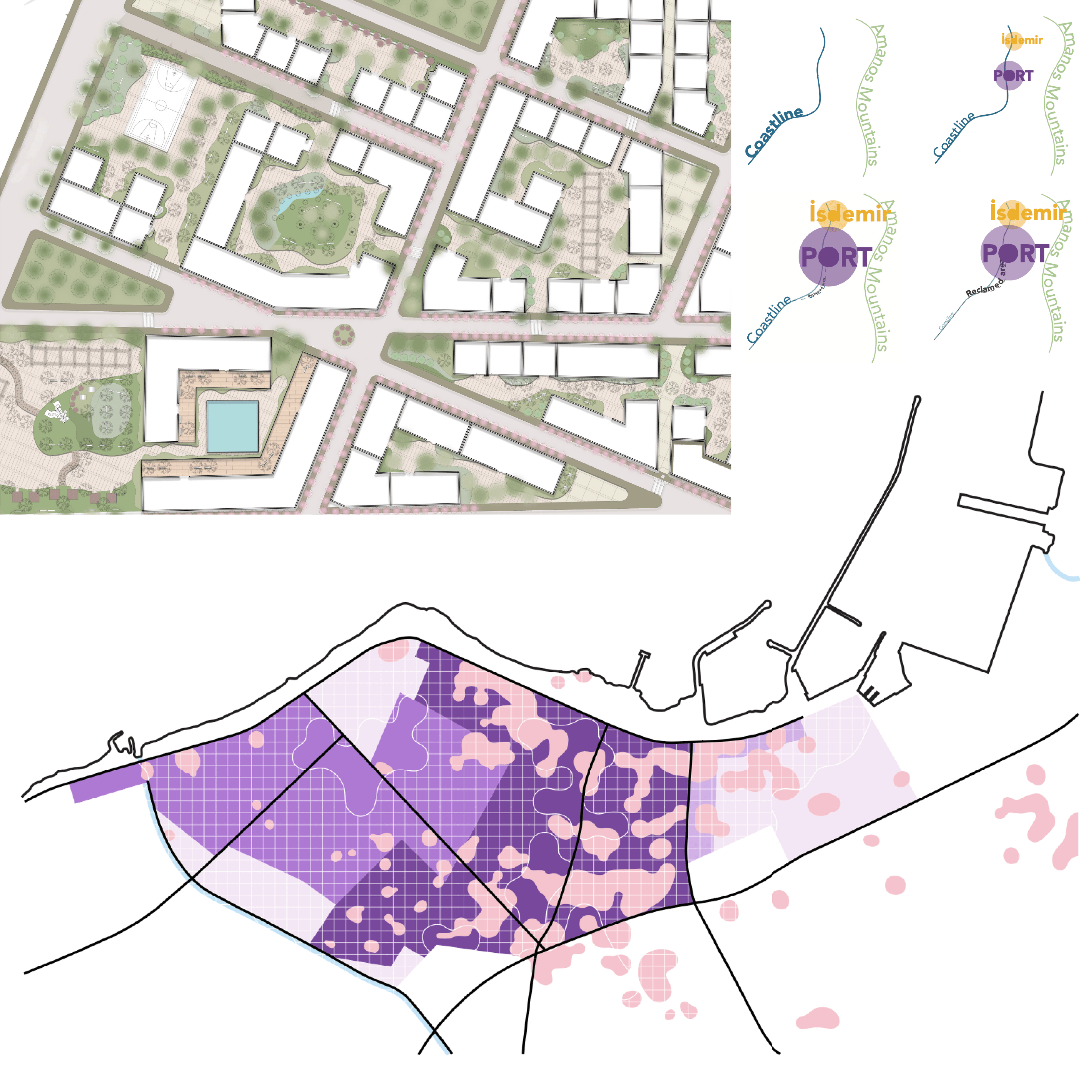
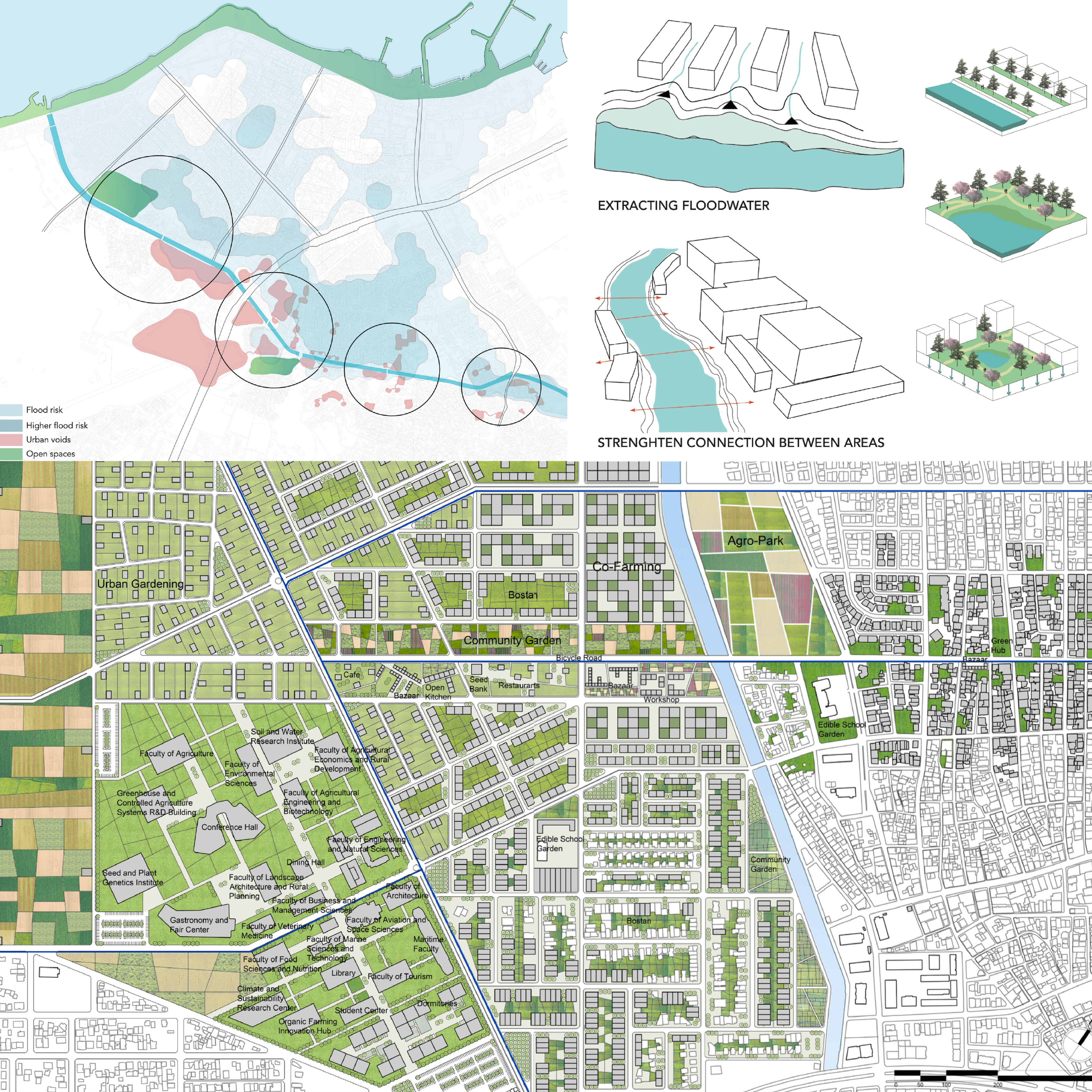
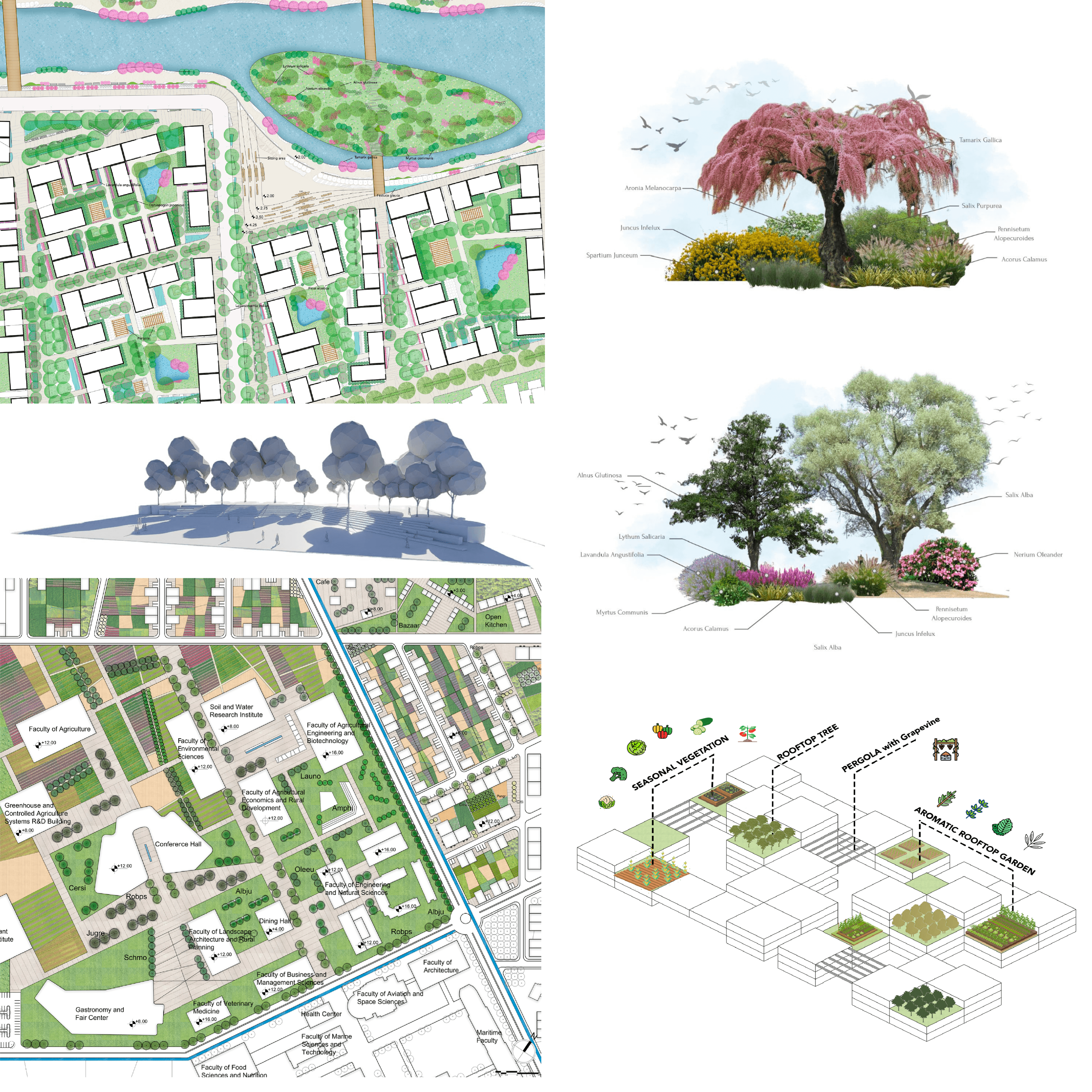
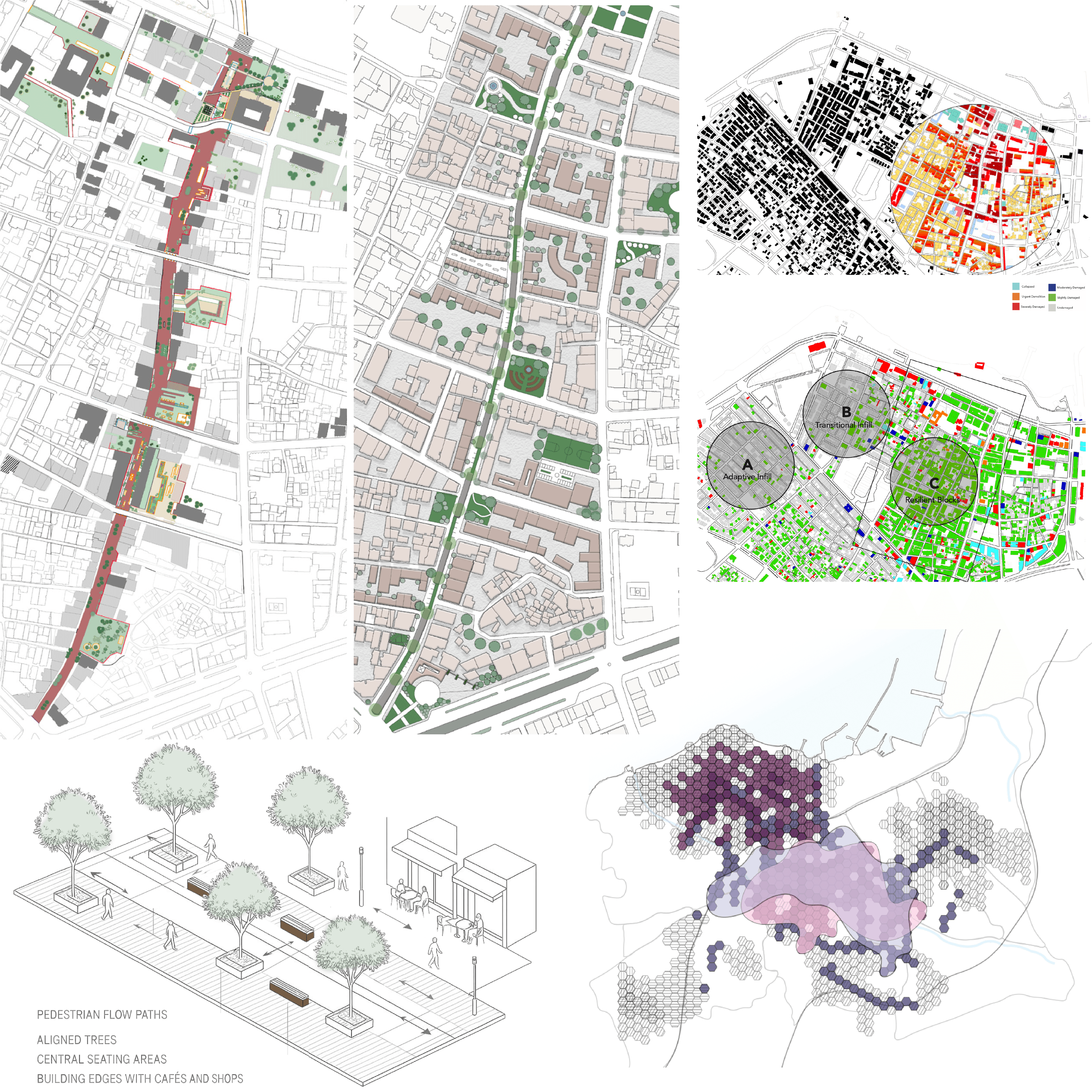
Divergence by Design: Many Ways of Excavating Urban Futures
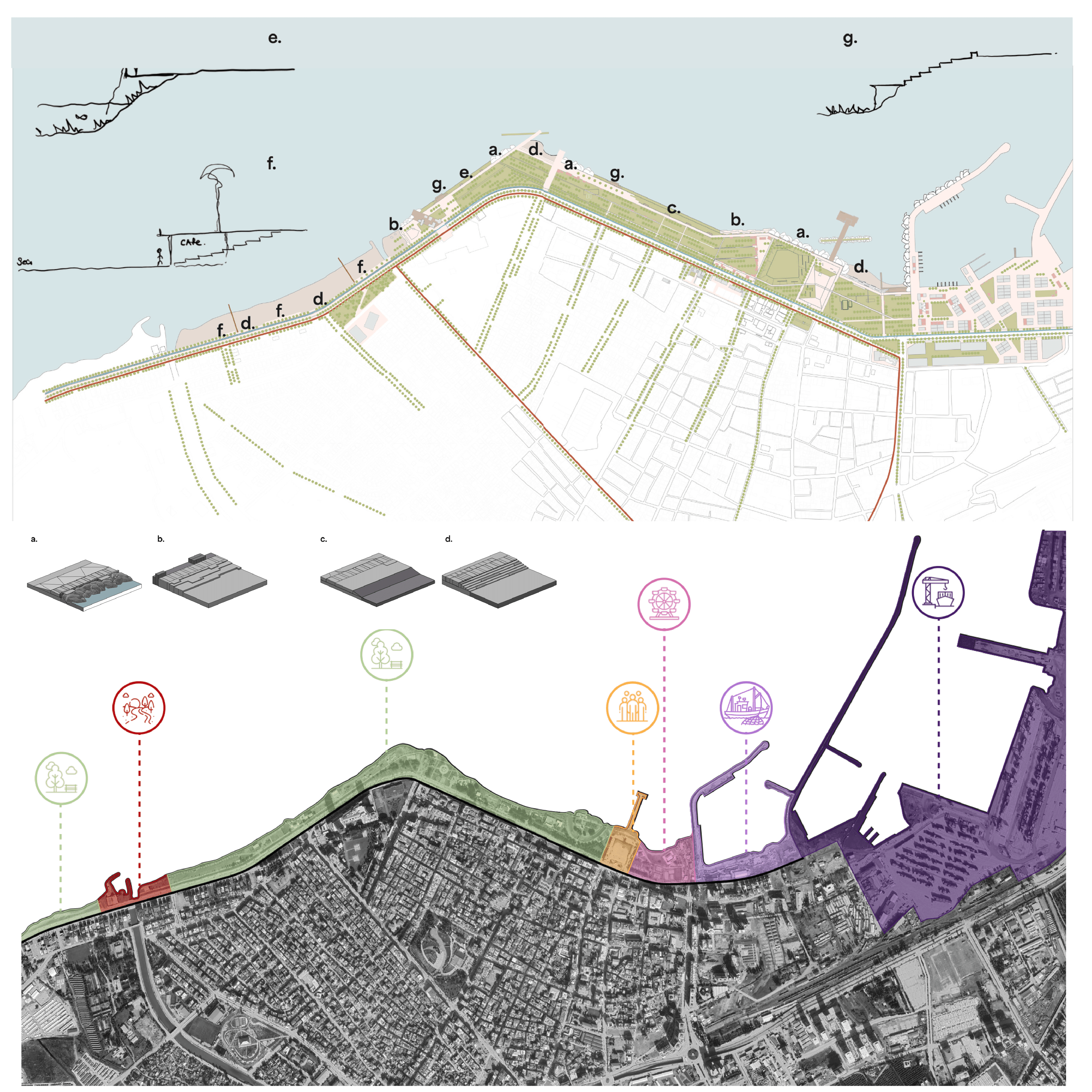
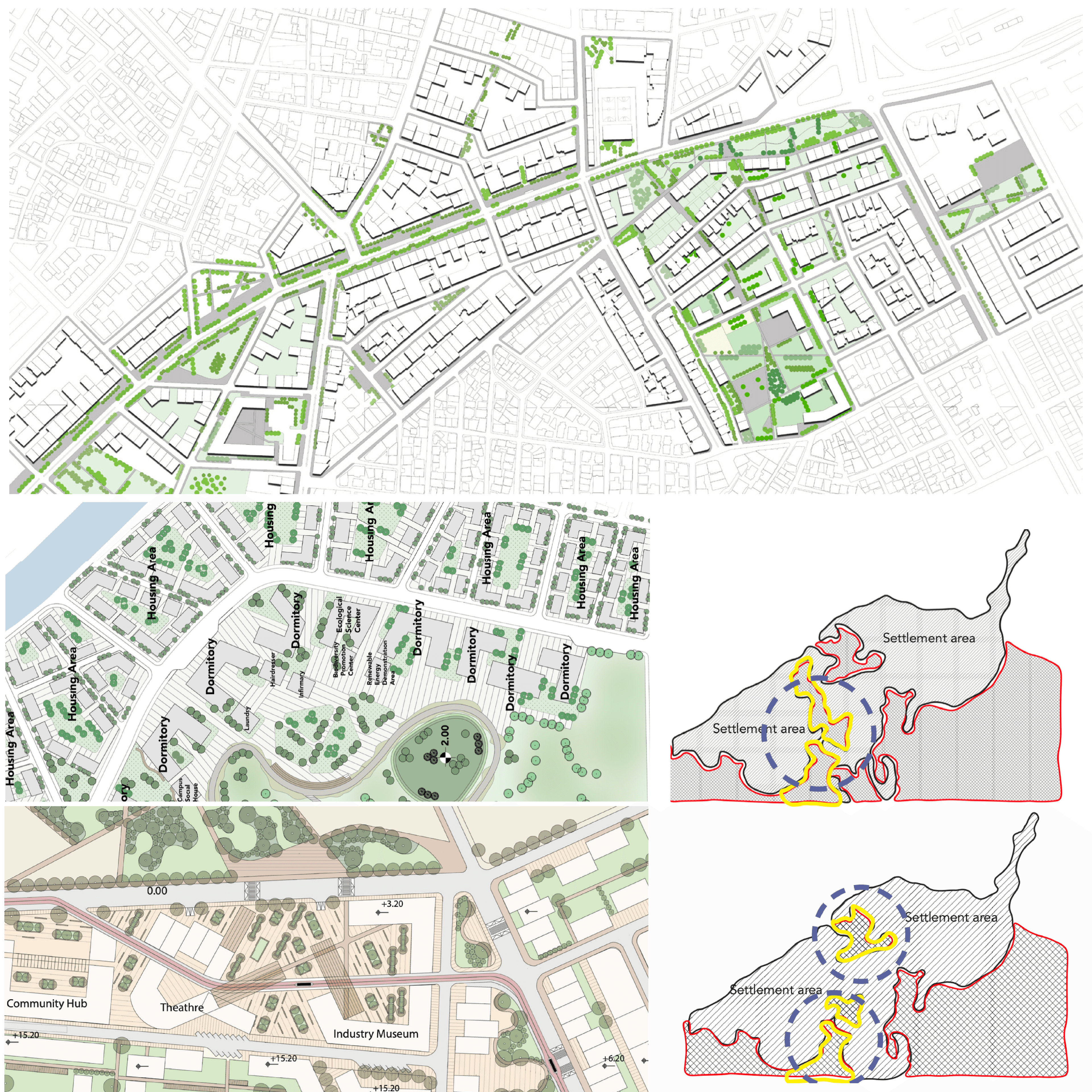
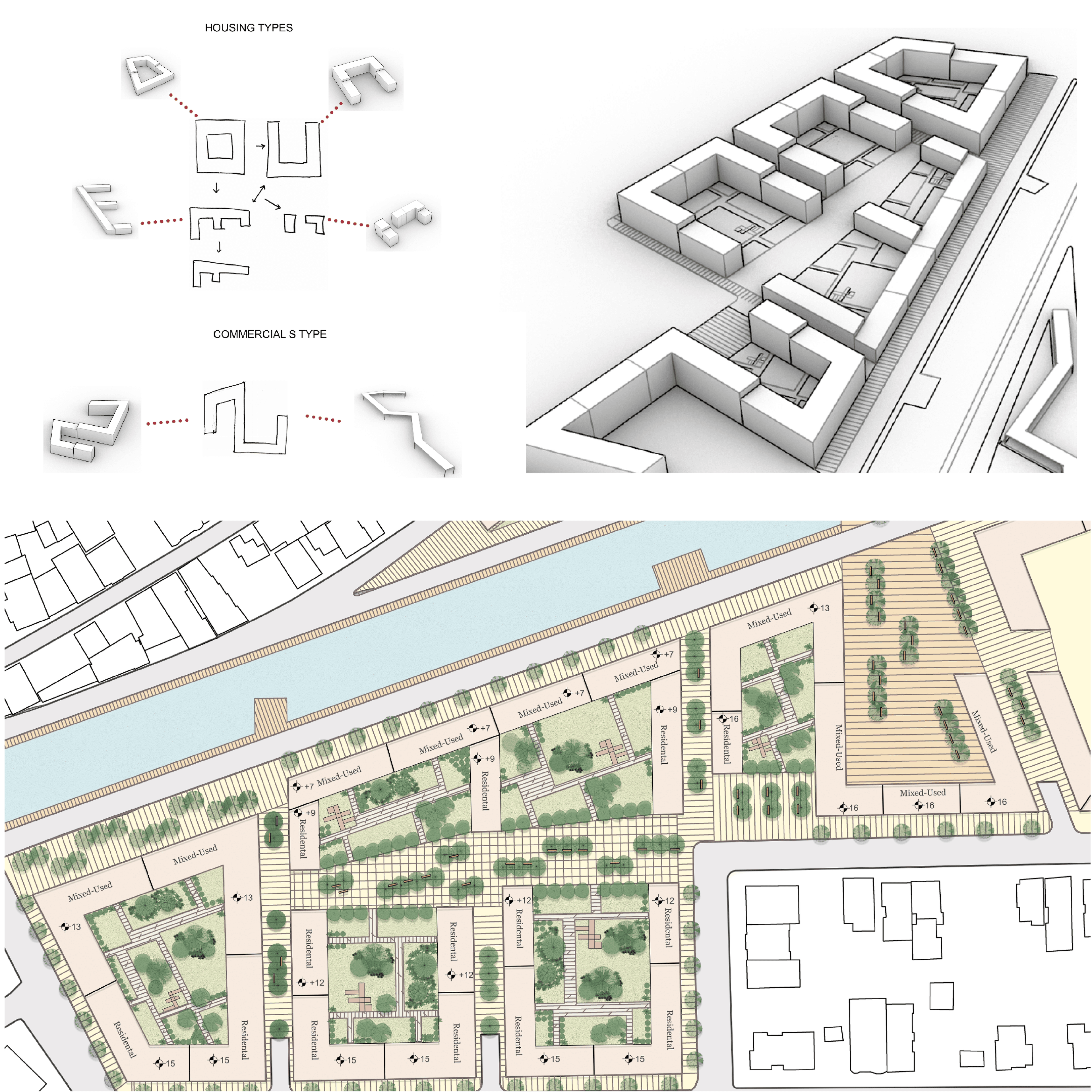
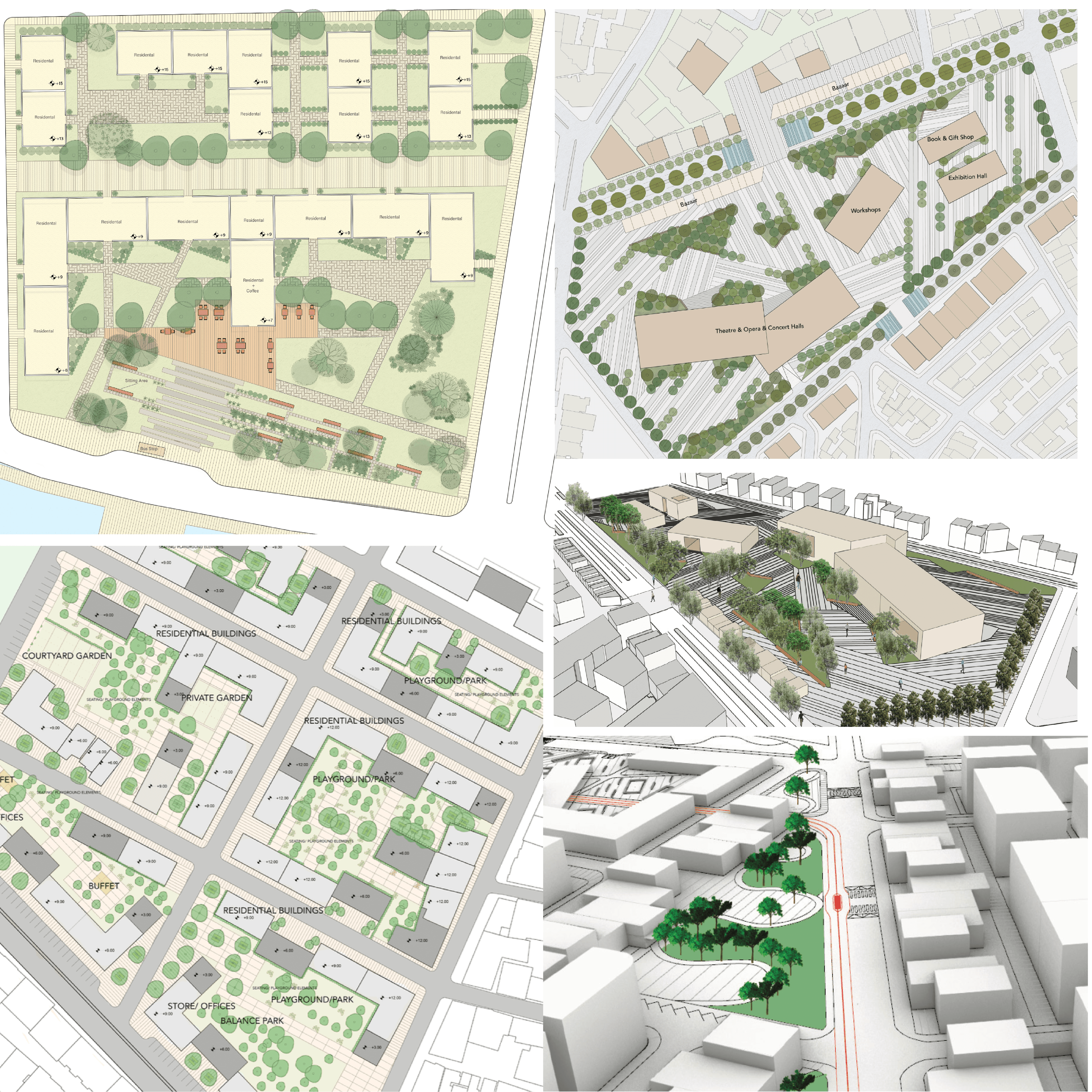
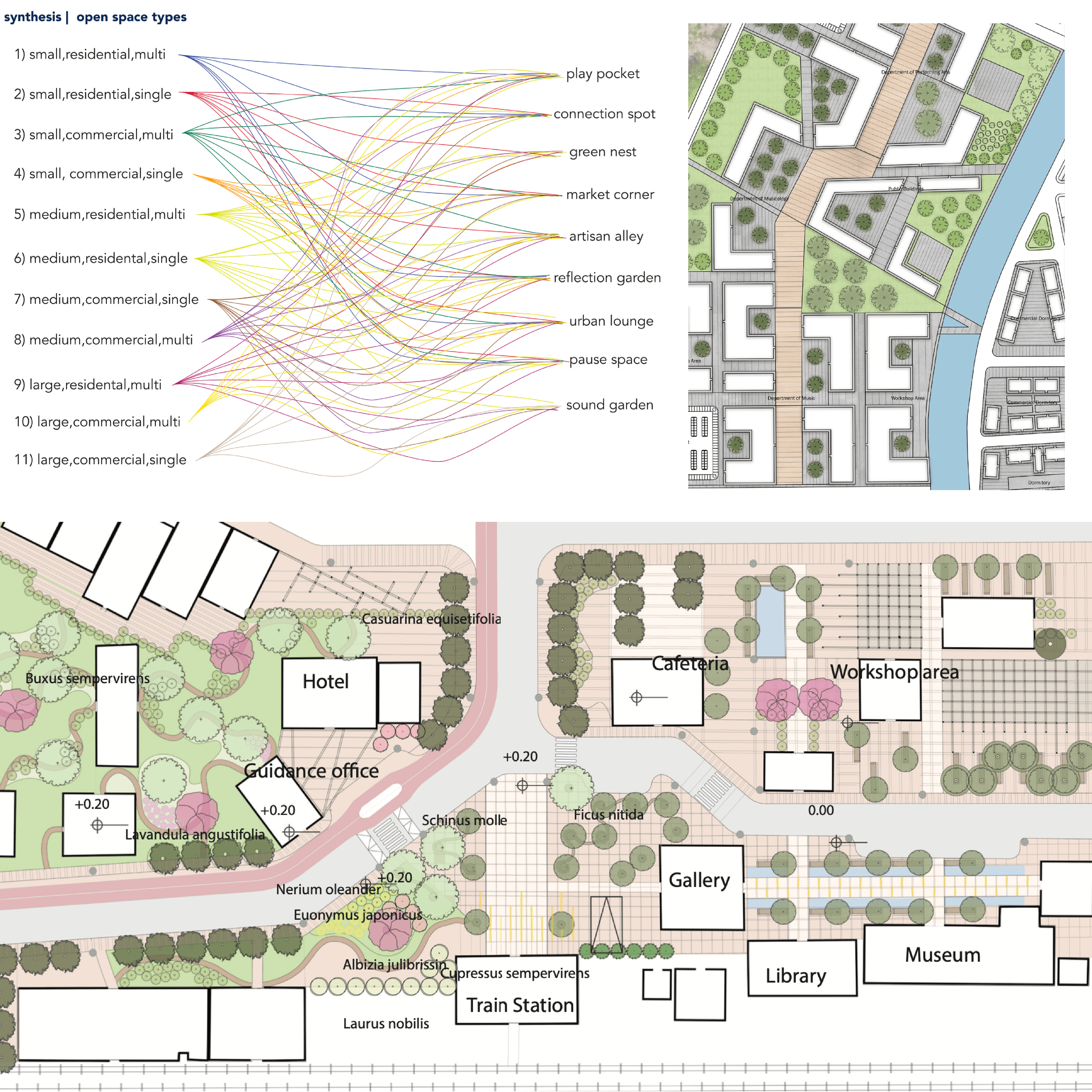
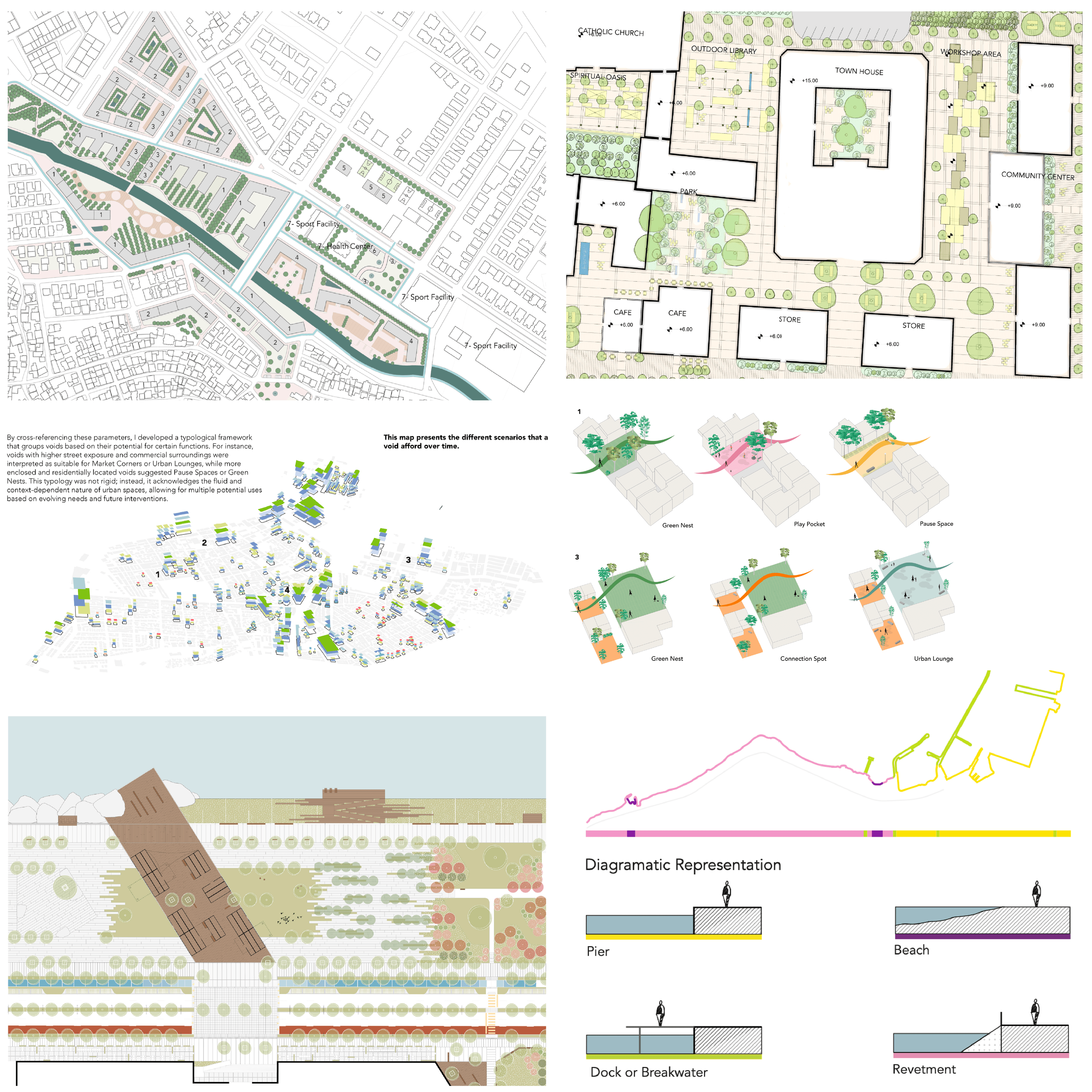
The strata concept proved generative precisely because it allowed divergent readings. Projects ranged from reactivating the canal as living corridor to constructing porous fabric in the city center, from dissolving edges through assemblage to recalling lost spaces through strategic intervention. Some students worked toward transparency, bringing buried layers back into legibility. Others treated strata as productive ground for new urban ecologies. The range demonstrated that the same conceptual framework, rigorously applied, produces plural rather than uniform outcomes.
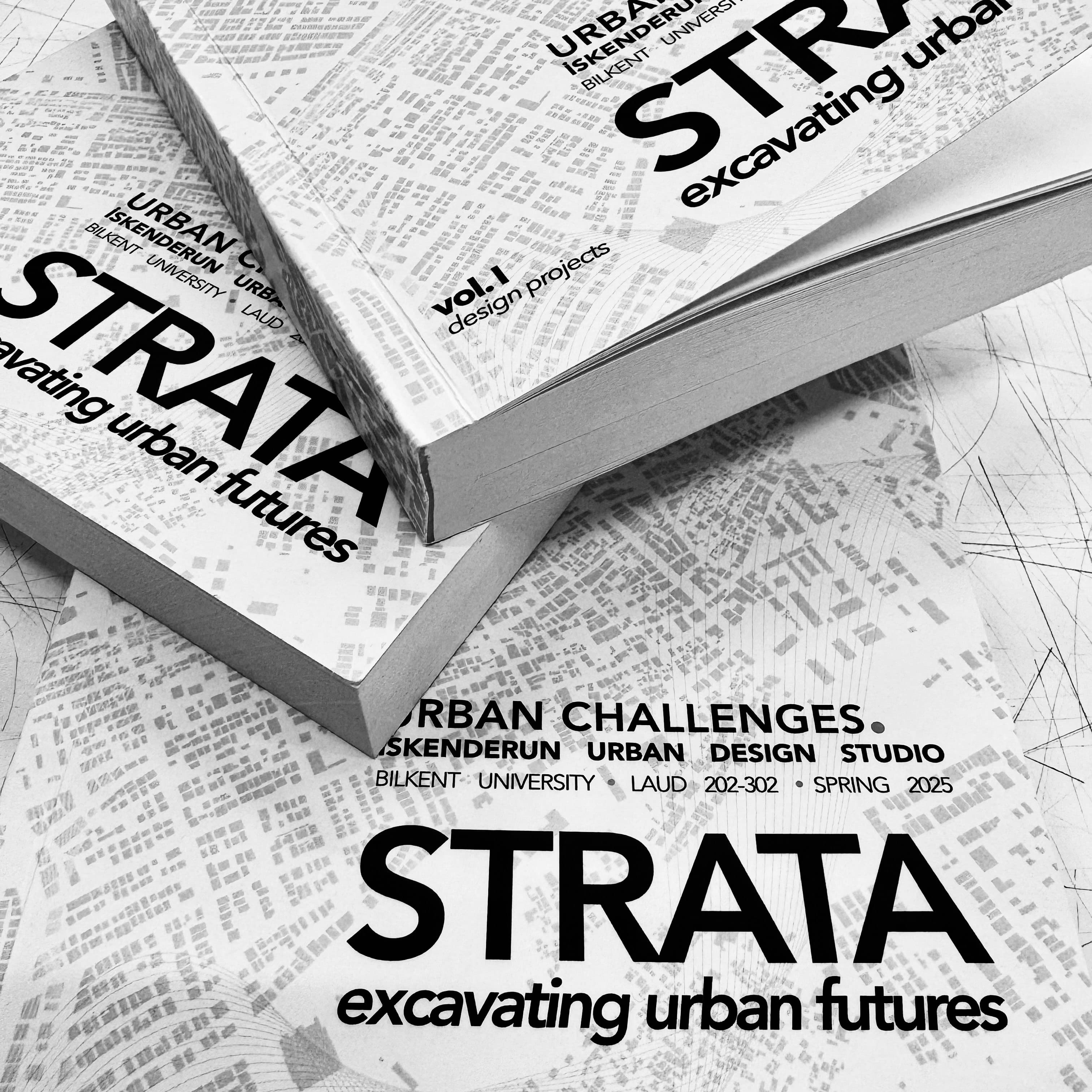
This studio closed my first full academic year at Bilkent LAUD. A year of settling in, finding the rhythm, figuring things out. The booklet tradition we started in Gaziantep continued here too — all outputs documented, collected, and made visible in published booklets. Things are settling. It will only get better from here.