Heritage Signature: Machine Learning Meets UNESCO World Heritage
Do the world's most celebrated urban heritage areas share a measurable spatial signature? Using machine learning across nearly half a million buildings in 60 UNESCO World Heritage cities, this research asks what makes heritage areas physically distinct from their surroundings, and whether that distinctiveness follows universal patterns. Ongoing work at MIT Senseable City Lab as part of my Fulbright postdoctoral fellowship.
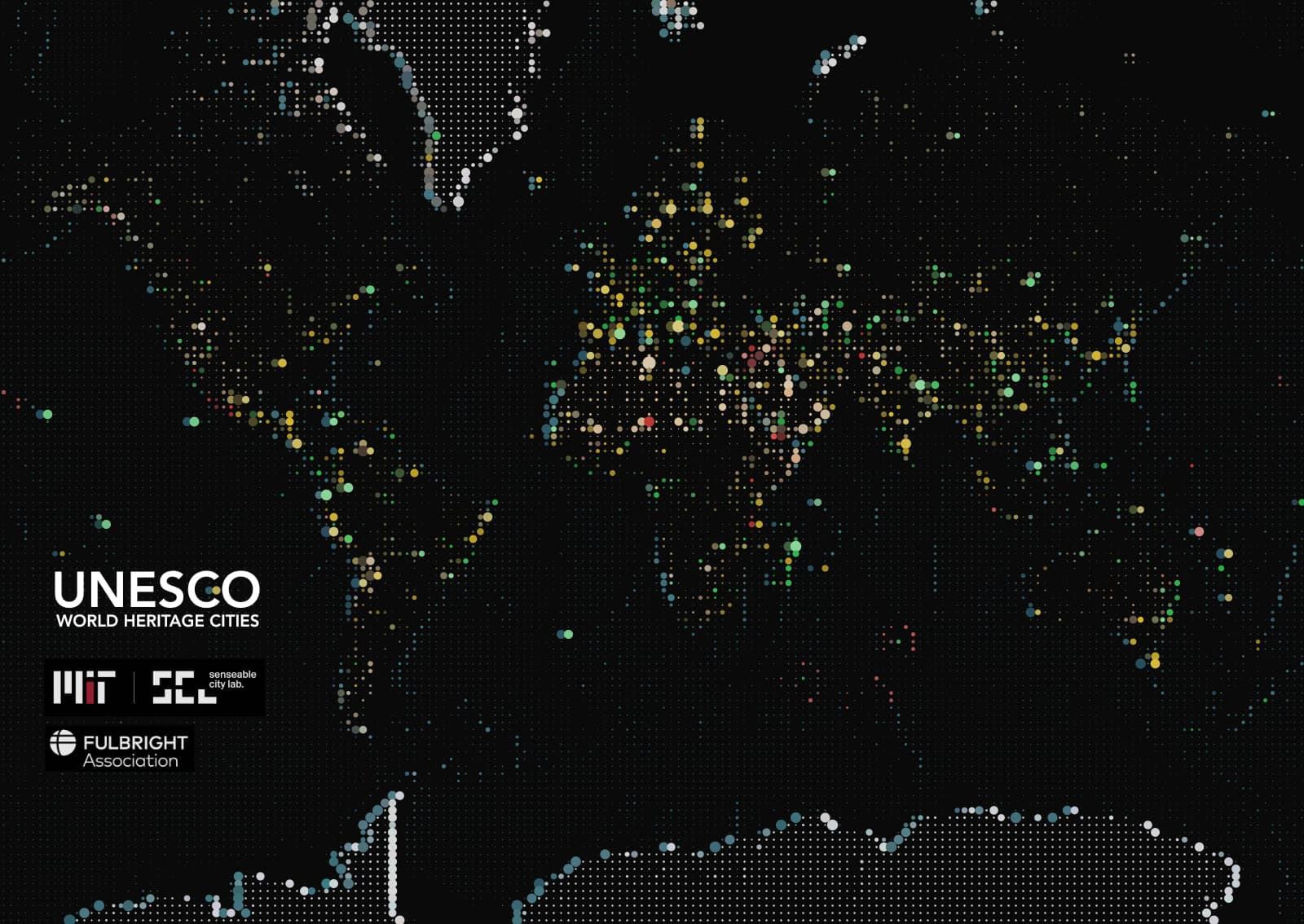
What if you could measure what makes a heritage city look and feel like heritage? Not through expert opinion or historical narrative, but through the physical fabric itself: the streets, the blocks, the buildings. UNESCO's World Heritage framework rests on Outstanding Universal Value, a concept with inherent morphological connotations that has never been systematically and objectively measured at scale. This is what we are building.
This work is hosted at MIT Senseable City Lab in collaboration with Dr. Fabio Duarte and Prof. Carlo Ratti, and joined by Prof. Ana Pereira Roders, who holds the UNESCO Chair on Heritage and the Reshaping of Urban Conservation for Sustainability at TU Delft. Together we are conducting the first global-scale morphometric analysis of World Heritage cities. Two deceptively simple questions drive the work: can a machine distinguish heritage areas from their surroundings using only buildings and streets as input? And do World Heritage cities across the globe share a universal spatial signature, or do they express fundamentally different morphological traditions?
The Objective Assessment Gap
Heritage conservation is consequential. Decisions about where boundaries are drawn, what development is compatible, and which sites merit inscription shape cities for generations. Yet these decisions are made largely without quantitative evidence of what actually makes heritage areas physically distinctive. Existing morphological studies of heritage are almost entirely qualitative, confined to single cities, and dependent on interpretive mapping. No global comparative framework exists, and whether World Heritage sites share spatial characteristics across cultures and geographies remains an open empirical question. The tools to answer it have not yet been built.
A High-Fidelity Global Dataset
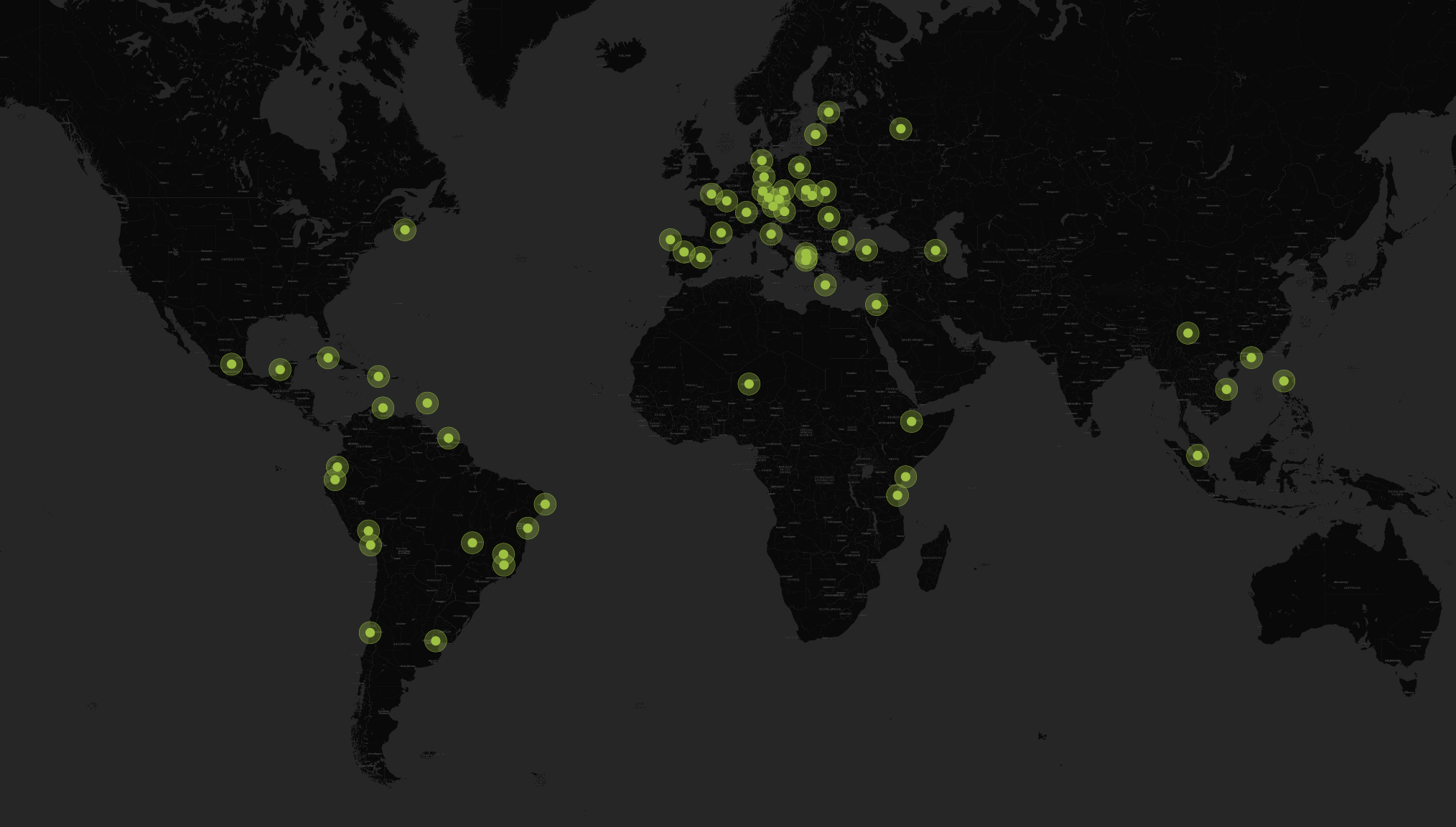
Drawing from UNESCO's complete list of 1,248 World Heritage properties, we assemble a high-fidelity sample of sites spanning all major world regions, selected to ensure coverage across various geographies and morphological diversity. Building footprints and street networks form the analytical inputs: minimal, globally available, and sufficient.
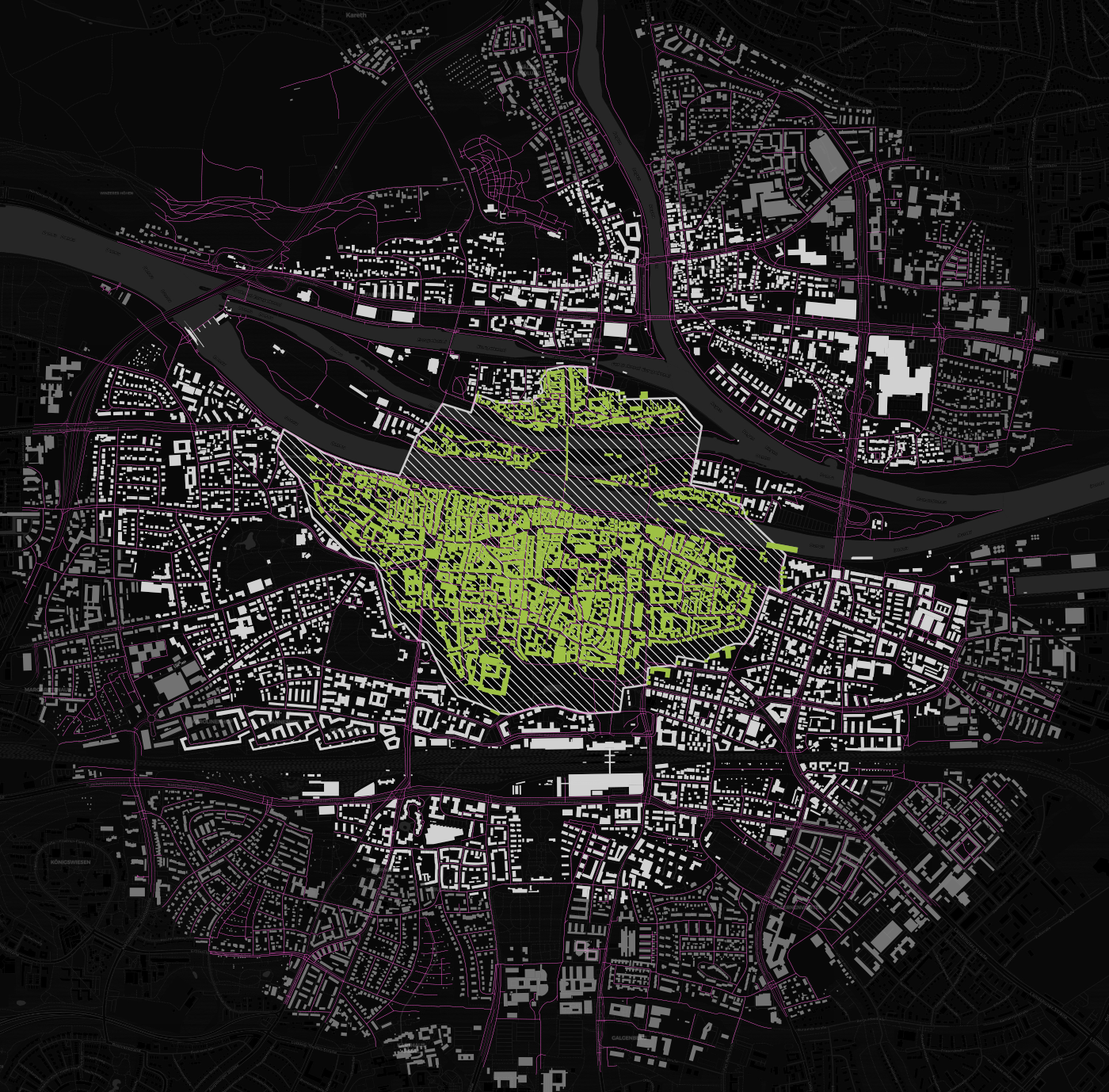
As part of assembling this dataset, we are producing georeferenced heritage boundary data for each site — boundaries that UNESCO itself does not currently hold in digital form in its repositories. These will be made openly available as part of the project's open-access outputs.
Two Questions, Two Machine Learning Approaches
With the dataset in place, the central question becomes: can a machine be trained to detect heritage character using only buildings and streets as input? We use a supervised classification framework to establish whether morphometrics alone can reliably distinguish heritage areas from their surroundings, and to identify which spatial attributes drive that distinction. A clustering approach then asks whether a universal heritage signature exists at all: whether distinct morphotypes emerge across World Heritage cities globally, each with its own spatial character, or whether heritage resists such classification.
A Diagnostic Tool for Heritage Cities
The ambition extends beyond analysis. If the framework can distinguish heritage morphology reliably, it opens the door to a diagnostic tool that World Heritage cities can use themselves: to monitor whether development pressure is eroding their spatial character, to assess the morphological integrity of nomination candidates, and to ask, on the basis of evidence, what makes their heritage physically irreplaceable.
The heritage boundary dataset, analytical workflows, and classification methods will all be made openly available, designed as practical resources for heritage managers, conservationists, and policymakers worldwide.