How Property Boundaries Guide Urban Evolution
Invited to write for KERNEL, the Melbourne Centre for Data Science's data journal aimed at making complex research accessible to a general audience. The piece translates findings from my PhD research on urban form and change into something anyone curious about cities can follow.
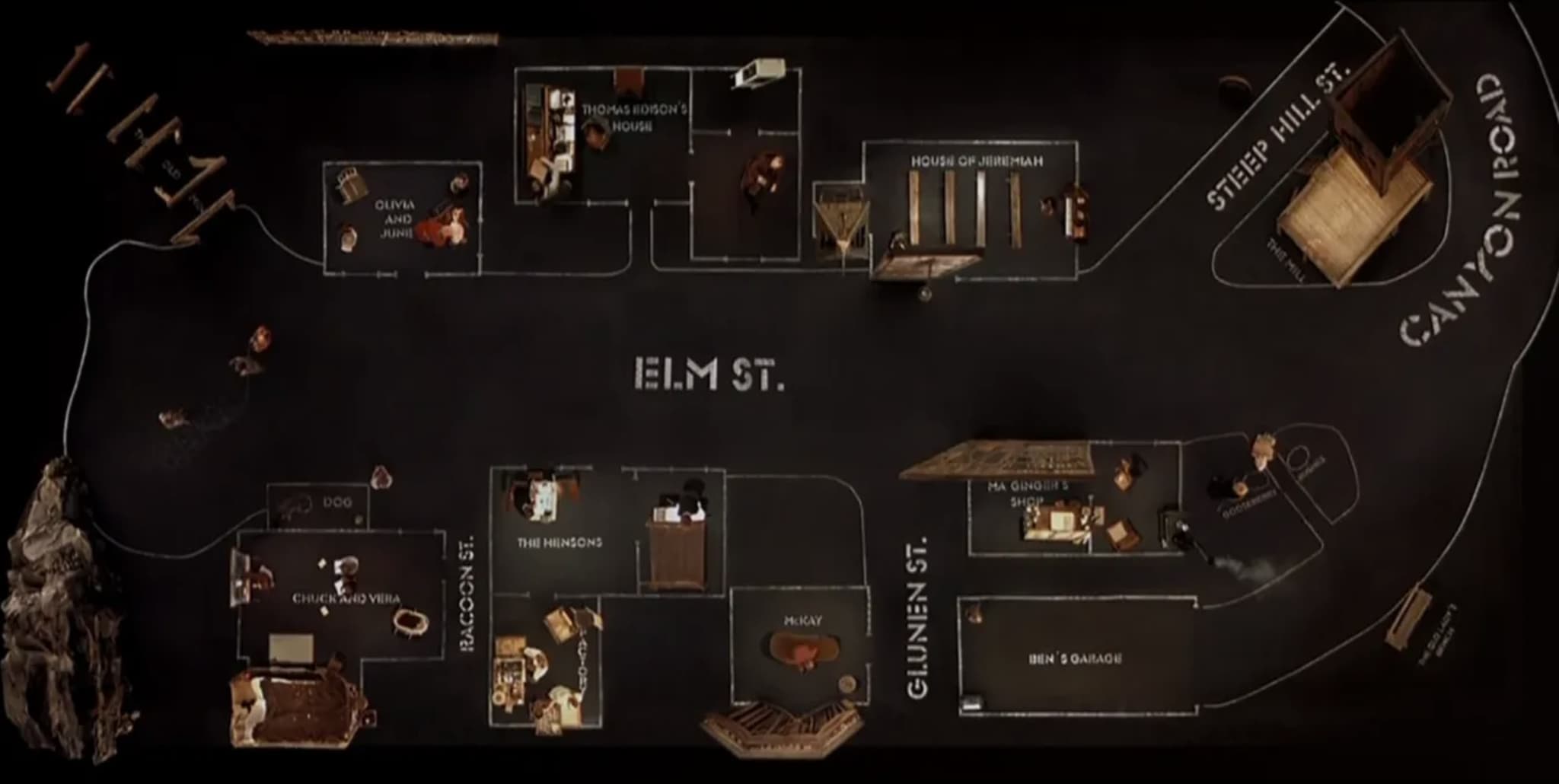
Walk down any city street and there is an invisible structure shaping everything around you. Not the buildings, not the streets. The property boundaries beneath them. If you have seen , you already have the image: invisible lines demarcating what is public and private, what belongs to whom, what can be touched and what cannot.
These lines turn out to be among the strongest predictors of where and how cities physically change over time. This is what my at the University of Melbourne found, across nearly two centuries of urban evolution in New York, Melbourne, and Barcelona. Fine-grained areas with many small plots resist change. Coarser areas with large plots transform rapidly. And crucially, it is not the geometry of individual plots that matters most. It is how they relate to each other and to the street network.
I wrote this up for KERNEL, the Melbourne Centre for Data Science's data journal, aimed at making complex research accessible to a general audience. It covers the research, the three cities, and what it all means for how we think about the evolution of urban form.